
Bathroom Door Handles vs Privacy Door Handles: What’s the Difference?
When choosing door handles for bathrooms or WC doors, one of the most common areas of confusion is the difference between bathroom door handles and privacy door handles.
At first glance, they may look similar — both allow you to lock a door from the inside — but they work in different ways and are used with different types of latch or lock arrangements.
Understanding the difference is essential to ensure you buy the correct hardware and avoid installation issues.
What Are Bathroom Door Handles?

Bathroom door handles are designed to work with a bathroom mortice lock fitted inside the door.
This type of lock includes two separate functions:
-
A latch (operated by the handle to open the door)
-
A bolt (operated by a thumb turn for locking)
How they work:
-
The handle operates the latch
-
The integrated thumb turn in the backplate operates the lock
This means bathroom handles are typically installed as:
-
A bathroom handle with integrated thumb turn
-
A bathroom mortice lock inside the door
Key feature:
The locking mechanism works with a bathroom mortice lock inside the door.
What Are Privacy Door Handles?

Privacy door handles are a simpler, all-in-one solution.
They are designed to work with a standard tubular latch, not a bathroom lock.
How they work:
-
The handle operates the latch
-
A built-in thumb turn on the handle locks the door by preventing the handle from being operated
-
There is no separate thumb turn or internal bathroom lock case
Key feature:
The locking mechanism is built into the handle itself and works with a tubular latch.
What About Lever on Rose Handles with a Separate Thumb Turn?
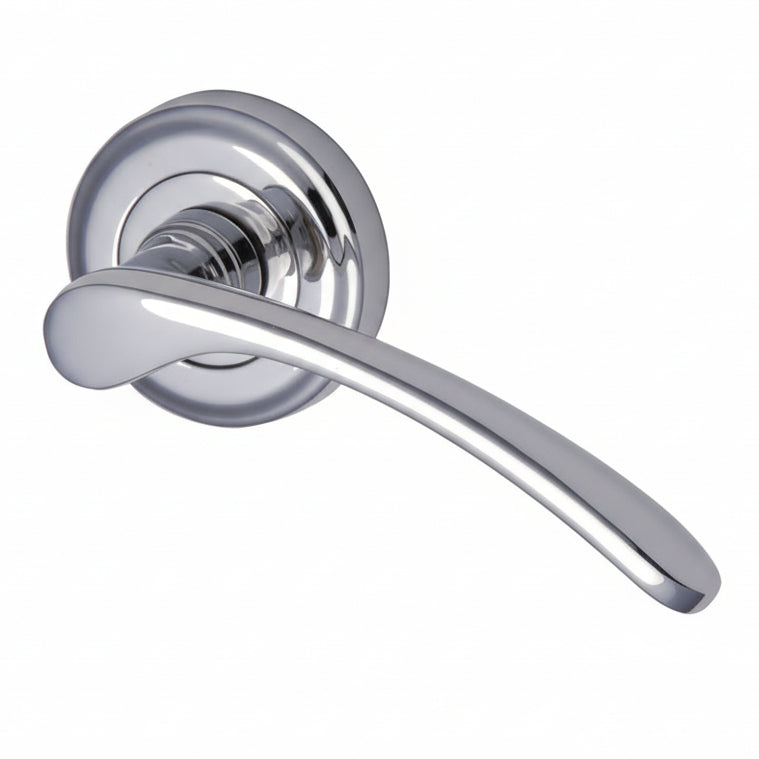
Another option is to use lever on rose handles with a separate thumb turn and release fitted underneath.
This setup is different from both bathroom backplate handles and privacy handles.
It typically uses:
- A pair of lever on rose handles
- A separate turn and emergency release
- A bathroom privacy door bolt or mortice deadbolt for the locking function
- A tubular mortice latch for the handle operation
For example, a lever on rose handle such as the Sophia handle is designed to be used with a latch, a bathroom lock with a turn and release, or a sash lock with escutcheons. The turn and release is supplied separately and can be used with either a bathroom lock or a mortice deadbolt. When it is used with a mortice deadbolt, a separate mortice or tubular latch is also needed for the lever handle. The tubular latch you linked is suitable for use with lever on rose handles.
How they work:
- The lever handle operates the latch
- The separate thumb turn and release operates the bolt
- The handle and lock function are split into separate components
Key point:
This arrangement is commonly used where a rose handle design is preferred, but it does require more separate parts and more careful fitting than an all-in-one backplate handle setup.
The Core Difference (Simple Explanation)
The easiest way to understand it is:
-
Bathroom handles → have an integrated thumb turn and use a bathroom mortice lock inside the door
-
Privacy handles → also have an integrated thumb turn, but lock via the handle itself and use a tubular latch
Why This Matters When Buying
Choosing the wrong type can lead to problems such as:
-
Handles not aligning with the lock
-
Missing components
-
Needing to re-drill or modify the door
For example:
-
Buying a privacy handle when your door has a bathroom mortice lock → it won’t work properly
-
Buying a bathroom handle for a door set up for a tubular latch only → the door won’t work properly without changing the internal mechanism
When to Use Bathroom Door Handles
Bathroom door handles are the most common choice in UK homes.
They are best for:
-
Bathrooms
-
En-suites
-
WC doors
-
Situations where a more traditional or robust setup is preferred
Why choose them:
-
More durable locking mechanism
-
Widely used in both modern and traditional homes
When to Use Privacy Door Handles
Privacy handles are typically used where simplicity is preferred.
They are suitable for:
-
Bedrooms
-
Home offices
-
Internal rooms requiring basic privacy
They can also be used on bathrooms, but this is less common in the UK.
Why choose them:
-
Easier installation
-
Fewer components
-
Cleaner, more minimal appearance
Key Installation Differences
Bathroom Handle Setup:
-
Requires bathroom mortice lock installation
-
Thumb turn is integrated into the handle backplate
-
More precise alignment needed
Privacy Handle Setup:
-
Uses a standard tubular latch
-
No separate thumb turn required
-
Faster and simpler installation
Which One Should You Choose?
In most UK homes:
-
Bathroom doors → use bathroom handles + bathroom mortice lock
-
Other internal doors needing privacy → privacy handles are an option
If you’re replacing existing hardware, always match what’s already in the door unless you plan to change the lock setup entirely.
Common Mistakes to Avoid
-
Assuming all “bathroom handles” are the same
-
Not checking whether your door has a bathroom mortice lock or tubular latch
-
Forgetting that bathroom handles usually have the thumb turn built in
-
Trying to fit privacy handles onto a bathroom mortice lock
Taking a moment to check your door setup will save time and frustration.
Final Thoughts
While bathroom and privacy door handles may look similar, they are designed for different systems.
-
Bathroom handles work with a bathroom mortice lock
-
Privacy handles have a built-in locking mechanism and work with a tubular latch
Choosing the right one ensures proper function, easier installation, and a better overall result.
If in doubt, always check what is currently fitted to your door — this will usually tell you exactly which option you need.
