
Cylinder Door Lock Buying Guide
Choosing the right cylinder door lock is one of the most important decisions when it comes to protecting your home. While many people focus on handles or external door furniture, the lock cylinder itself is the core component that controls access to the door.
Euro cylinder locks are widely used across the UK on uPVC doors, composite doors, aluminium doors and many modern timber doors. They work with multipoint locking systems and mortice lock cases, making them one of the most common and versatile types of door lock available.
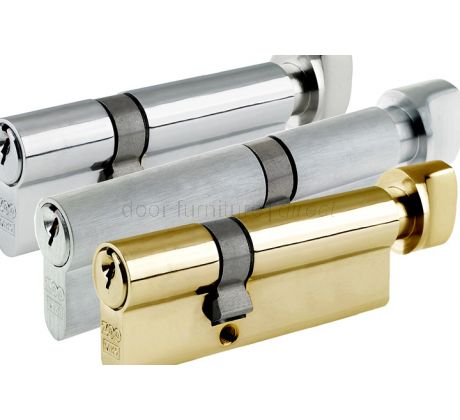
If you are replacing an existing cylinder or upgrading your door security, understanding how these locks work will help you choose the right option for your needs. This guide explains the different types of cylinder locks, the security features to look for, how to measure correctly and how to select a cylinder that suits your door.
What Is a Cylinder Door Lock?
A cylinder lock is the removable barrel section of a door lock that contains the key mechanism. The cylinder sits inside the lock case and controls whether the door can be locked or unlocked.
When you insert and turn the key, the pins inside the cylinder align to allow the cam to rotate. This rotation engages or disengages the locking mechanism inside the door.
Euro cylinder locks are especially popular because they are easy to replace. If a key is lost or security needs to be upgraded, the cylinder can usually be swapped without replacing the entire locking system. A Yale cylinder lock is a widely used pin-tumbler locking mechanism, originally developed by Yale, that uses a flat key to align internal pins inside the cylinder, allowing the lock to turn and secure or release the door.
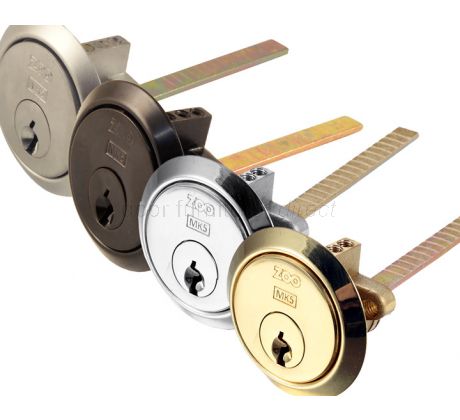
Where Cylinder Locks Are Used
Cylinder locks are most commonly found on external doors that use a multipoint locking system.
Typical applications include:
-
uPVC front and back doors
-
Composite entrance doors
-
Aluminium framed doors
-
Some timber doors with euro-profile lock cases
-
Patio doors and French doors
Because these doors are widely used in modern homes, euro cylinder locks have become the standard locking solution across much of the UK.
Types of Cylinder Door Locks
Not all cylinders are the same. Different designs suit different types of doors and levels of security.
Understanding the main variations will help you select the right cylinder for your situation.
Double Cylinder Locks (Keyed Both Sides)
A double cylinder has a keyhole on both sides of the door. The lock must be operated with a key whether you are inside or outside.
These are commonly used on:
-
External doors where additional security is required
-
Doors with glass panels nearby where thumbturn access could pose a risk
Because a key is required to open the door from the inside, they provide an additional layer of protection against intruders reaching through a broken window.
Thumbturn Cylinder Locks
A thumbturn cylinder has a keyhole on the outside and a rotating thumbturn on the inside.
This allows the door to be locked or unlocked internally without using a key.
Thumbturn cylinders are popular for:
-
Family homes where quick exit is important
-
Doors that serve as emergency escape routes
-
Households where convenience is preferred
They provide a balance between security and practicality.
Half Cylinders
A half cylinder only has a keyhole on one side and is commonly used for:
-
Garage doors
-
Gate locks
-
Switch locks and cupboards
-
Some commercial hardware
Because they are designed to work with locks that do not require internal operation, they are less commonly used on main entrance doors.
Understanding Cylinder Lock Security
When choosing a cylinder lock, security should be one of the main considerations. Modern cylinders include several protective features designed to resist common burglary techniques.
Anti-Snap Protection
Lock snapping has been one of the most widely reported methods used to break into doors with euro cylinders. Anti-snap cylinders are designed with reinforced sections that break in a controlled way, preventing access to the internal locking mechanism.
High quality anti-snap cylinders dramatically reduce vulnerability to this type of attack.
Anti-Pick and Anti-Bump Protection
Lock picking and bumping are techniques used to manipulate the pins inside a cylinder. Many modern cylinders include additional security pins and complex internal mechanisms that make these methods far more difficult.
These features improve overall resistance against forced entry.
Drill Protection
Some premium cylinders include hardened steel pins or reinforced inserts to resist drilling attacks. This prevents intruders from drilling through the cylinder to release the locking cam.
British Standard and Security Ratings
Many high quality cylinders meet recognised security standards such as TS007 or British Standard specifications. These certifications indicate that the cylinder has been tested against common attack methods.
Choosing a certified cylinder is often recommended for front doors and high security applications.
How to Measure a Cylinder Lock
One of the most important steps when buying a replacement cylinder lock is measuring it correctly. Cylinders are produced in different lengths to suit different door thicknesses.
A cylinder measurement is usually expressed as two numbers, such as 35/45 or 40/50.
These numbers represent the distance from the centre of the fixing screw hole to each end of the cylinder.
To measure your existing cylinder:
-
Open the door and locate the fixing screw on the edge of the door.
-
Remove the screw and slide the cylinder slightly if needed.
-
Measure from the centre of the screw hole to the outside end of the cylinder.
-
Measure from the centre of the screw hole to the inside end.
These two measurements determine the correct cylinder size.
For example, if the distance from the screw hole to the outside is 40mm and the distance to the inside is 50mm, you would require a 40/50 cylinder.
Accurate measurement ensures the cylinder sits flush with the door hardware and avoids security risks caused by cylinders protruding too far.
Choosing the Correct Cylinder Length
A cylinder should ideally sit flush with the handle backplate or external escutcheon.
If the cylinder protrudes significantly beyond the door furniture, it can become vulnerable to attack. Selecting the correct length ensures both security and a clean appearance.
Doors with thicker panels, decorative handles or security escutcheons may require longer cylinders.
If you are unsure, removing the existing cylinder and measuring it directly is the most reliable method.
Keyed Alike vs Individually Keyed Cylinders
When purchasing cylinder locks, you may also encounter the terms "keyed alike" and "individually keyed."
Individually keyed cylinders come with their own unique keys and operate independently.
Keyed alike cylinders are designed so that multiple locks can be operated using the same key.
This option can be very convenient for properties with multiple doors, such as front doors, back doors, garages and side entrances.
When Should You Replace a Cylinder Lock?
There are several situations where replacing a cylinder lock is recommended.
You may want to replace the cylinder if:
-
Keys have been lost or stolen
-
The lock is worn or difficult to operate
-
You have recently moved into a new property
-
You want to upgrade to a higher security cylinder
-
The existing cylinder is damaged or compromised
Replacing a cylinder is usually quick and affordable, and it can significantly improve door security.
Choosing the Right Cylinder for Your Door
When selecting a cylinder lock, consider the following factors:
Security level
Look for cylinders with anti-snap, anti-pick and anti-drill protection for external doors.
Door type
Ensure the cylinder is compatible with your door's lock case and handle configuration.
Cylinder length
Measure carefully to ensure the cylinder fits the door thickness and hardware.
Convenience features
Decide whether you prefer a double cylinder, thumbturn cylinder or half cylinder depending on how the door is used.
Key management
Consider whether keyed alike cylinders would make access more convenient across multiple doors.
Explore Cylinder Lock Options
If you are replacing an existing lock or upgrading your door security, you can browse a wide selection of cylinder locks in different sizes, finishes and security levels here:
https://www.doorfurnituredirect.co.uk/collections/cylinder-locks
Each product listing includes detailed specifications to help you match the correct cylinder size and features for your door.
Final Thoughts
A cylinder lock may appear to be a small component, but it plays a crucial role in the security of your home. Choosing the right cylinder ensures your door locks operate smoothly while providing reliable protection against common forms of forced entry.
By understanding the different cylinder types, security features and measurement requirements, you can confidently select a lock that suits your door and your security needs.
Taking the time to choose a high quality cylinder lock is one of the simplest and most effective ways to improve the security of your property.