
Door Threshold Buying Guide
Choosing the right door threshold isn’t just about appearance — it’s about understanding what problem you’re trying to solve.
Different threshold products are designed for completely different uses. Some are for joining internal flooring, others are for stopping draughts, and some are specifically built for external doors to keep out wind and rain.
This guide will help you choose the correct type based on your situation, with real examples to guide your decision.
What Is a Door Threshold?
A door threshold is fitted at the base of a doorway and can serve several purposes:
-
Covering gaps between floor types
-
Creating a smooth transition between rooms
-
Preventing draughts and heat loss
-
Stopping water ingress at external doors
-
Protecting the front edge of a doorway
The key is choosing the right type for your specific use.
1. Internal Door Thresholds (Between Rooms)
If you’re fitting a threshold between two rooms, your goal is usually to create a neat transition between flooring types.
When to use these:
-
Between carpet and laminate
-
Between carpet and vinyl
-
Between two different floor levels
-
To cover a visible gap in a doorway
Best options:
-
One-bevel or two-bevel strips

For example, a product like the SSS Threshold Strip 1 Bevel 100x915mm is designed to bridge flooring neatly while allowing a slight ramp on one side. For a more decorative finish, options such as the Polished Brass Threshold Strip 2 Bevel 914mm provide a cleaner visual transition between two finished surfaces.
How to choose:
-
Same floor height → flat or two-bevel strip
-
Slight height difference → one-bevel strip
These are the most commonly used thresholds inside homes.
2. External Door Thresholds (Front & Back Doors)
For front or back doors, thresholds need to do more than look good — they must protect against the elements.
When to use these:
-
Front doors
-
Back doors
-
External entrances
Best options:
-
Weather sealing thresholds
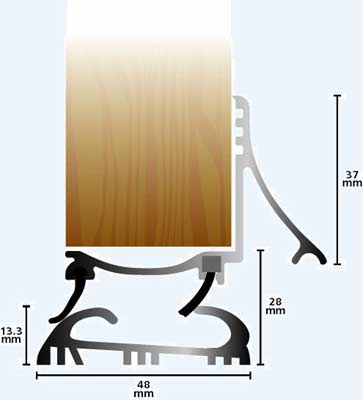
For example, the Stormguard Trimline Threshold 838mm Gold is designed to reduce draughts and prevent rain entering beneath the door, while still allowing relatively easy access.
For more demanding conditions, the Stormguard Superseal Threshold Sill 914mm provides a stronger seal for larger gaps under the door and is suited to exposed entrances.
These products are specifically built for external use and should always be chosen over standard internal strips for front doors.
3. Low Access Thresholds (Wheelchair / Pram Friendly)
If accessibility is important, standard raised thresholds may not be suitable.
When to use these:
-
Wheelchair access
-
Prams or pushchairs
-
Trolleys or light wheeled traffic
-
Reducing trip hazards
Best options:
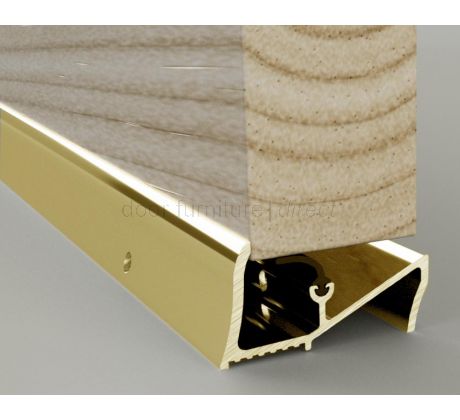
A good example is the Stormguard Access Threshold CDX in Aluminium, which provides a low ramped profile while still helping to seal against draughts.
These are ideal where you need a balance between easy access and weather protection.
4. Draught Excluder Thresholds (Under Door Seals)
If your main issue is a gap under the door, a threshold strip alone may not solve it.
When to use these:
-
Cold air coming under the door
-
Light visible under the door
-
Internal or external doors with gaps
Best options:
-
Bottom-of-door draught excluders
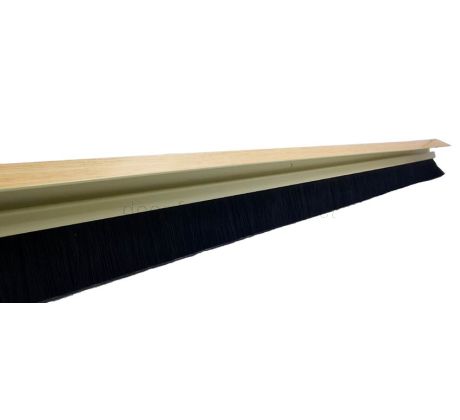
For example, the Aluminium Brush Threshold 914mm is designed to seal gaps under the door, while alternatives like the PVC Brush Draught Excluder 914mm provide a more budget-friendly option.
These products are especially useful in older properties or where replacing the threshold alone won’t eliminate draughts.
5. Rain Deflectors & Weather Bars
For doors exposed to wind and rain, additional protection may be needed.
When to use these:
-
Rain entering under the door
-
Wind-driven water issues
-
Exposed front or back doors
Best options:
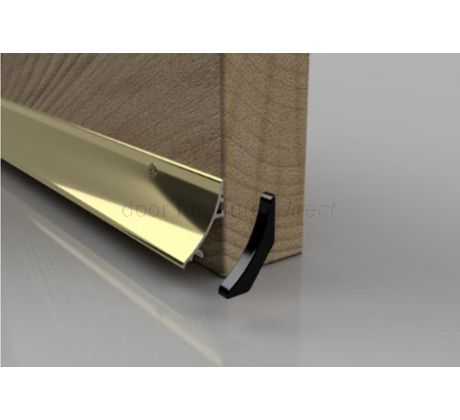
A product such as the Warmseal Rain Deflector Gold 914mm helps divert water away from the base of the door, while the Stormguard Rain Deflector Weather Trim provides additional protection against wind-driven rain.
These are typically used alongside threshold sills for maximum performance.
6. Door Step Plates (Front Door Protection)
If your doorstep is worn or you want to improve the appearance of your entrance, a threshold plate is the right solution.
When to use these:
-
Worn or damaged doorstep
-
High-traffic entrances
-
Improving the finish of a front door
Best options:
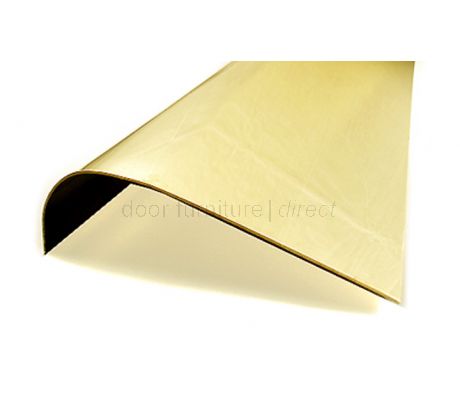
For example, the Stainless Steel Bull Nose Threshold Plate is designed to protect the edge of a step while creating a clean, finished look.
These are particularly useful on front doors where foot traffic is high.
How to Choose the Right Threshold (Quick Summary)
If you’re unsure, use this quick guide:
-
Between two rooms → internal threshold strip
-
Front or back door → threshold sill
-
Need wheelchair or pram access → access threshold
-
Cold air under the door → brush seal
-
Rain entering under door → rain deflector
-
Worn doorstep → threshold plate
Explore the Full Range
Once you understand which type of threshold you need, you can browse the full range of door thresholds to find the right product for your doorway.
Each product includes detailed specifications to help you match your requirements.
Final Thoughts
Door thresholds are often overlooked, but choosing the right one can make a noticeable difference to comfort, durability and appearance.
The key is to focus on function first:
-
What problem are you solving?
-
Is the door internal or external?
-
Do you need weather protection or just a visual finish?
Once you answer those questions, choosing the right threshold becomes much simpler — and ensures a result that works properly for years to come.
