
How to Choose the Right Door Knob
Choosing the right door knob is about more than finding a finish you like. The best knob needs to suit the type of door, the way the room is used, the style of the property and the latch or lock behind it. When all of those things work together, the knob feels right in the hand, looks right on the door and performs properly over time.
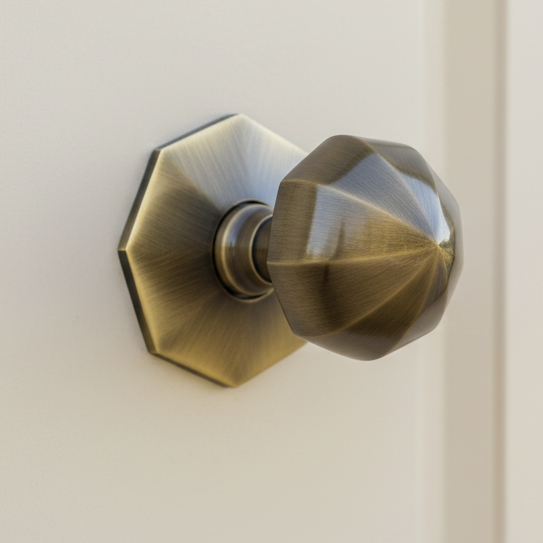
Because the Door Furniture Direct range covers much more than one single type of knob, it helps to begin with the door itself. The category includes everything from internal door knobs and mortice door knobs to rim lock door knobs, centre door knobs, door knobs on backplate, kitchen door knobs and door knob parts, so the right choice depends on what you are fitting and where it is going.
Start with the type of door
The first thing to decide is what kind of door you are buying for.
An internal living room or bedroom door usually needs a different knob from a bathroom door, and both are very different from a traditional front door. This is where many people go wrong. A knob may look perfect visually, but if it is designed for the wrong application it will never be the right choice.
As a simple guide:
-
internal passage doors usually suit mortice door knobs
-
bathroom doors usually need a mortice knob used with a bathroom lock and thumb turn
-
traditional front doors have a centre door knob
-
cupboards and cabinets need furniture or kitchen knobs, not full internal door knobs
Starting here makes the rest of the decision much easier.
Understand the main types of door knob
Not all door knobs work in the same way, and understanding the difference is one of the most important parts of choosing correctly.
Mortice door knobs
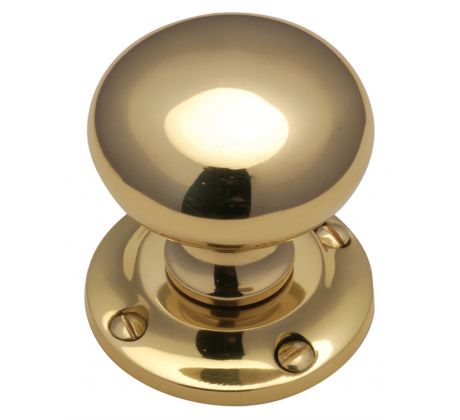
Mortice door knobs are the most common choice for internal doors. They are used with a latch or lock fitted into the edge of the door and are ideal for standard rooms such as bedrooms, dining rooms, lounges and hallways.
They are usually the right option when you want a traditional knob-operated door rather than a lever handle.
Door knobs on backplate
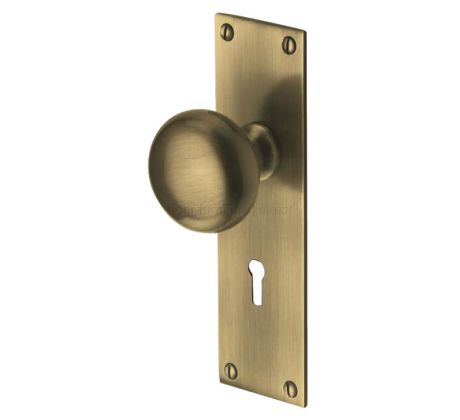
Door knobs on backplate combine the knob with a longer plate behind it. This creates a more traditional, more architectural look and often suits older properties particularly well.
They can be a good choice where you want a classic appearance or are replacing existing backplate furniture.
Rim lock door knobs
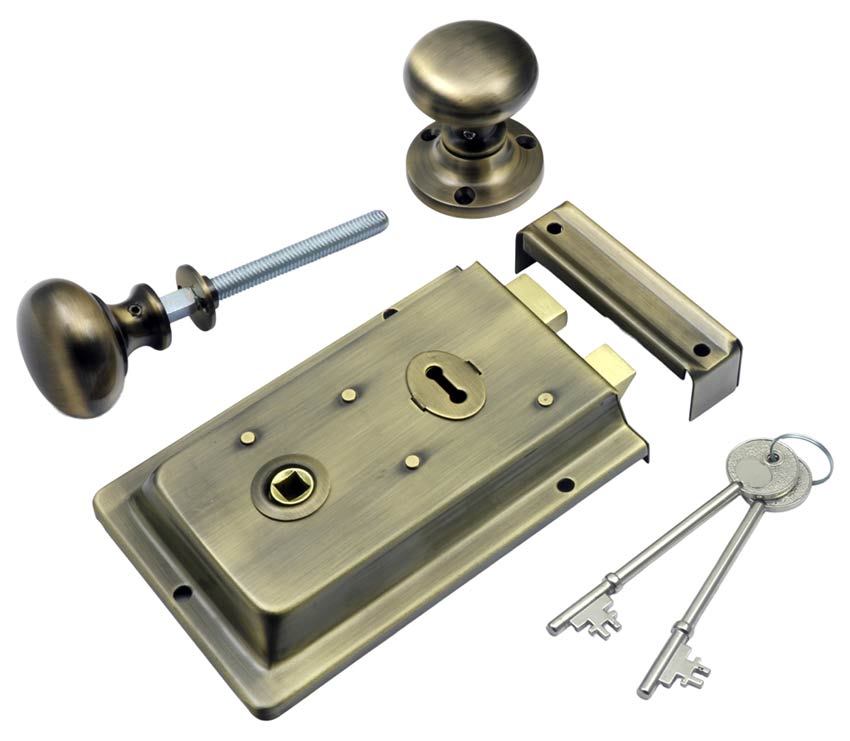
Rim lock door knobs are designed for doors fitted with a surface-mounted rim lock. These are commonly found on older timber doors and traditional entrances.
If your internal doors already have rim locks, you will usually need this type rather than a standard mortice knob.
Centre door knobs
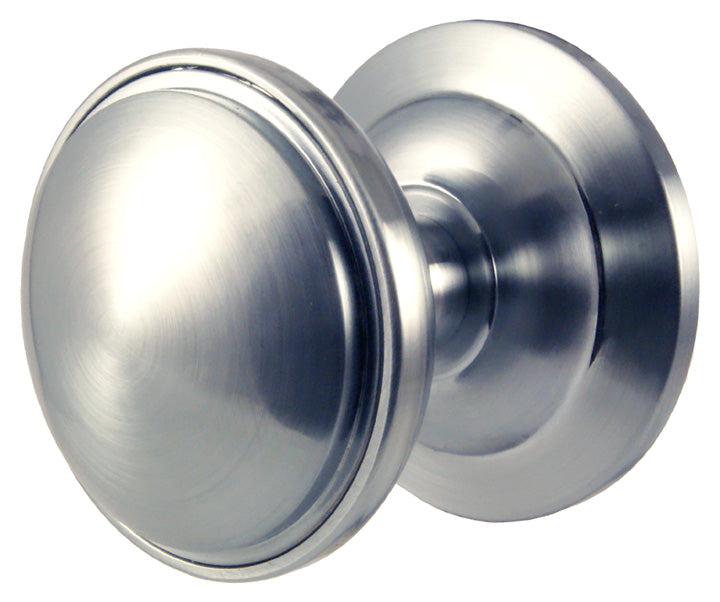
Centre door knobs are usually fixed and decorative rather than turning. They are commonly fitted to the centre of a front door for appearance and as a pull.
These are not used to operate a latch in the same way as a normal internal door knob.
Kitchen and cabinet knobs
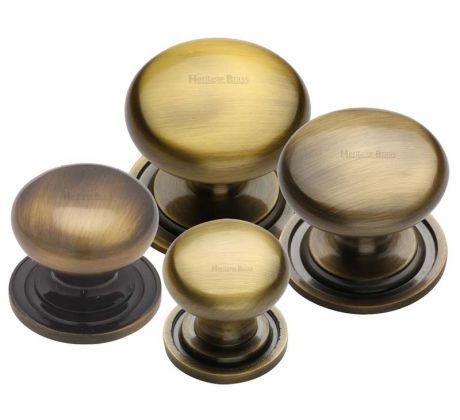
Kitchen or furniture knobs are designed for cupboard and cabinet doors, not for full internal passage doors.
They can look similar in style, but they are not interchangeable with standard door knobs.
Think about how the door is used
Once you know the knob type, the next question is what the door needs to do.
A standard internal door may only need to latch shut. A bathroom door needs privacy. A lockable room may need a sashlock. A front door may require a very specific lock arrangement. The knob itself is only one part of that setup.
That is why a door knob should always be chosen with the lock or latch in mind.
For example:
-
a standard internal knob is usually paired with a tubular latch
-
a bathroom knob is usually paired with a bathroom mortice lock and thumb turn
-
a lockable internal room may use a sashlock
-
a rim knob is paired with a rim lock
This is one of the biggest reasons why buying only on appearance can lead to the wrong result.
Choose a style that suits the property
Door knobs have a strong visual effect, even though they are relatively small details. The shape and profile can change the character of the whole door.
Our range includes a broad mix of styles, including Victorian door knobs, beehive door knobs, vintage antique styles, porcelain knobs and glass mortice knobs. That means customers are not just choosing a function, but also choosing the level of character they want the hardware to bring into the room.
As a general rule:
-
Victorian, beehive and antique styles tend to suit period and traditional homes
-
simpler round or stepped designs suit both traditional and modern interiors
-
porcelain knobs work especially well in cottage, country and classic interiors
-
glass knobs add a more decorative, elegant feel
-
cleaner, less ornate shapes often work best in modern settings
The key is choosing a knob that feels in keeping with the door and the wider room.
Pick a finish that works with the rest of your hardware
Finish affects both appearance and practicality. It can make a knob feel traditional, contemporary, subtle or bold.
The category includes a wide choice of finishes including antique brass, brass, satin brass, polished chrome, satin chrome, matt black, polished nickel, satin nickel, pewter, bronze, porcelain, glass and more.
A few general observations can help narrow it down:
-
polished brass feels classic, warm and traditional
-
satin brass is softer and more understated
-
polished chrome gives a bright, clean, modern look
-
satin chrome and satin nickel feel more muted and forgiving in everyday use
-
matt black creates stronger contrast and suits many contemporary interiors
-
antique brass, pewter and darker finishes often work beautifully in period properties
-
porcelain and glass introduce a lighter, softer decorative touch
It usually helps to think about the rest of the ironmongery on the door as well. Hinges, escutcheons, locks and other fittings tend to look best when they feel intentionally coordinated rather than mixed at random.
Do not overlook comfort
A knob may look beautiful, but it also needs to feel right in use.
This is especially important on doors that are used many times every day. Shape, diameter and projection all affect how comfortable a knob is to grip and turn. Some people prefer a larger, fuller knob that feels more substantial in the hand, while others prefer a neater, more compact design.
This matters more than many people realise. A knob that is too small, too smooth or positioned too close to the edge of the door can feel awkward even if it looks attractive.
The latch position matters too
With door knobs, the latch inside of the door is especially important.
Because a knob is gripped differently from a lever handle, the position of the spindle can make a big difference to comfort. If the backset is too short, the knob can sit too close to the edge of the door or frame, making it less comfortable to use and lead to knuckles rubbing on the door frame. It is usually recommended that a 3in tubular latch is used when fitting mortice door knobs.
That is why the knob and latch should be thought of as part of the same decision. A good-looking knob will feel much better when paired with the correct latch size and setup.
Internal doors, bathrooms and front doors all need different thinking
This is one of the most useful distinctions to make when choosing a knob.
For internal doors, the priority is usually style, comfort and compatibility with a latch.
For bathroom doors, the priority is making sure the knob works properly with a privacy lock and thumb turn arrangement.
For front doors, the priority may be traditional styling and a centre-pull function.
This is why a broad category like yours benefits from a guide that helps customers shop by use, not just by appearance.
Common mistakes to avoid
A few buying mistakes come up again and again:
-
choosing a knob by finish alone without checking the type
-
buying a mortice knob for a door with a rim lock
-
assuming bathroom doors use the same setup as standard internal doors
-
overlooking the latch or lock behind the knob
-
choosing a style that does not suit the property
-
mixing finishes in a way that feels inconsistent on the same door
Avoiding those mistakes makes the buying process much smoother.
A simple way to narrow your choice
If you are not sure where to start, this order usually works best:
-
Decide what type of door it is.
-
Work out what function it needs.
-
Choose the correct knob type.
-
Make sure the latch or lock setup matches.
-
Pick the style family that suits the property.
-
Choose the finish that works with the rest of the hardware.
That process turns what can feel like a very broad category into a much more manageable decision.
Final thoughts
The right door knob should do three things well: it should suit the door, feel good to use and look at home in the space around it.
With such a broad range of styles available, from mortice and rim lock door knobs to centre door knobs, backplate knobs, porcelain, glass, beehive and Victorian designs, there is no single “best” knob for every situation. The right choice depends on where it is going and what you need it to do.
When function, style and finish all come together properly, the result is a door knob that does more than open and close a door. It becomes part of the overall finish of the room and helps the whole space feel more considered.
