
How to Measure a Tubular Latch
If you’re replacing a door latch or fitting new internal door handles, knowing how to measure a tubular latch correctly is essential. A latch that is the wrong size can cause handles to sit too close to the door frame, make the door difficult to close, or leave you having to re-drill holes in the door.
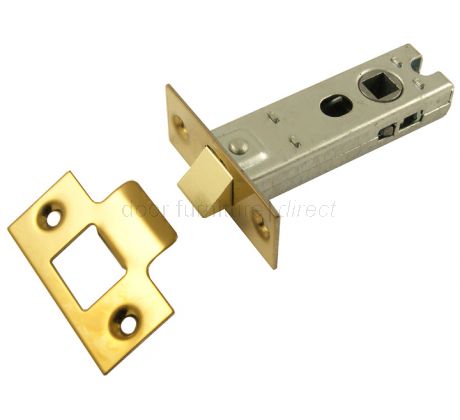
The good news is that measuring a tubular latch is straightforward. In most cases, you only need two key measurements to identify the correct size: the latch case length and the backset.
In this guide, you’ll learn exactly how to measure a tubular latch, understand common latch sizes, and choose the right replacement for your door.
If you’re looking to browse replacement options while measuring, you can view the full range of tubular latches.
What Is a Tubular Latch?
A tubular latch is a simple spring-loaded mechanism installed inside the edge of a door. When the handle is pressed, the latch retracts, allowing the door to open. When the handle is released, the latch springs back to keep the door closed.
Tubular latches are commonly used on internal doors with lever handles or door knobs and are typically morticed into the door for a flush installation.
The Two Measurements You Need
To identify the correct tubular latch size, you need to measure:
- Case Length (Latch Size)
- Backset
These two measurements determine both how the latch fits inside the door and where the door handle will sit.
1. Measure the Case Length (Overall Latch Size)
The case length refers to the total length of the tubular latch body, measured from the front faceplate to the back of the latch.
How to measure it
- Open the door.
- Locate the latch on the edge of the door.
- Measure from the front faceplate to the end of the latch body.
Record the measurement in millimetres.
Common tubular latch sizes include:
- 64mm (2.5 inch)
- 76mm (3 inch)
- 90mm or larger sizes
These measurements describe the overall case length, which is how latches are usually listed when purchasing replacements.
If you're replacing an existing latch, choosing the same case size is usually the easiest option because it will fit the existing hole in the door.
2. Measure the Backset
The backset is the distance from the edge of the door to the centre of the spindle hole (where the door handle connects).
This measurement determines how far the handle sits from the edge of the door.
How to measure the backset
- Measure from the edge of the door (where the latch faceplate sits).
- Measure to the centre of the spindle hole.
The backset is important because it affects both usability and appearance. If the handle sits too close to the door frame, your knuckles may hit the frame when using it.
Typical backset sizes include:
- 44–45mm backset for a 64mm latch
- 55–57mm backset for a 76mm latch
These measurements are standard across most manufacturers.
Common Tubular Latch Sizes Explained
Most internal doors in the UK use one of three common latch sizes.
64mm Tubular Latches
A 64mm latch is one of the most common sizes used with lever handles on internal doors.
Typical characteristics:
- 44–45mm backset
- Suitable for many standard internal doors
- Commonly used with lever-on-backplate handles
You can view available options here: 64mm tubular latches
76mm Tubular Latches
A 76mm latch is another extremely popular size and is often recommended when installing lever-on-rose handles.
Advantages include:
- Larger backset (around 56–57mm)
- Places the handle further from the door edge
- Often looks more balanced on wider door stiles
Browse available options here: 76mm tubular latches
90mm Tubular Latches
A 90mm latch provides a larger backset and is commonly used with door knobs.
Door knobs require more clearance from the edge of the door to allow comfortable grip and rotation.
View available sizes here: 90mm tubular latches
We also have other sizes available in our tubular latches range.
Standard vs Heavy Duty Tubular Latches
Not all tubular latches are built the same. The type you choose should depend on the door hardware you are using.
Standard Tubular Latches
These are typically single sprung and are ideal for:
- Sprung lever door handles
- Standard internal doors
Heavy Duty Tubular Latches
Heavy duty or double sprung latches contain stronger internal springs and are recommended when fitting unsprung door knobs or heavier handles.
You can browse these options here: heavy duty tubular latches
Tubular Latch vs Tubular Mortice Latch
You may also see the term tubular mortice latch. This refers to the same general style of latch installed inside the door edge but may include variations designed for different hardware setups.
Explore the range here: tubular mortice latches
When Should You Replace a Tubular Latch?
You may need to measure and replace a latch if:
- The latch mechanism has worn out
- The door no longer closes properly
- You are installing new door handles or knobs
- You are upgrading to a heavier duty latch
If the latch is working well, you can usually reuse it when changing handles. However, when fitting door knobs or unsprung handles, upgrading the latch is often recommended.
Tips for Choosing the Right Tubular Latch
Before purchasing a new latch, keep these tips in mind.
Always measure your existing latch before ordering. Even though common sizes exist, small variations can occur.
Consider the type of door furniture you are using. Lever handles usually work well with 64mm or 76mm latches, while door knobs often require longer backsets.
Think about door usage. High-traffic doors may benefit from a heavy duty latch for smoother operation and durability.
Final Thoughts
Measuring a tubular latch only takes a few minutes, but getting it right ensures your new door hardware fits perfectly and operates smoothly.
The key measurements to remember are:
The overall latch case length
The backset distance
Once you have these measurements, you can confidently choose the correct replacement size.
To explore all available options, you can browse the full collection of tubular latches.
With the right measurements and the correct latch size, fitting new door handles or knobs becomes a much simpler job.