
Mortice Lock Sizes Explained: How to Choose the Right Size for Your Door
Choosing the correct mortice lock size is essential if you want your lock to fit properly, operate smoothly, and align with your door handles or knobs. While mortice locks come in several standard sizes, many people are unsure which measurements actually matter when replacing or installing one.
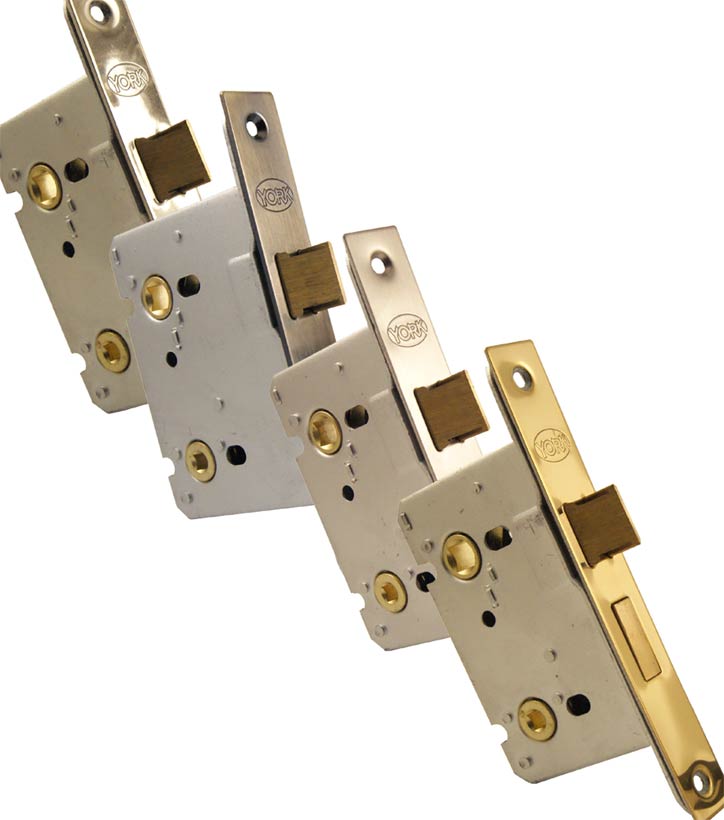
Understanding how mortice lock sizing works will help you avoid buying the wrong lock and ensure everything lines up correctly with your door furniture.
In this guide, we’ll explain how mortice locks are sized, the key measurements you need to know, and how to identify the right size for your door.
Why Mortice Lock Size Matters
Mortice locks are installed inside a pocket cut into the edge of a wooden door. Because the lock body sits inside the door itself, the size of the lock must match both the door thickness and the position of the handles or keyhole.
If the lock is too large, it may weaken the door or simply not fit into the cavity. If it’s too small, the handles or keyhole may sit too close to the door edge, which can make the door uncomfortable to use and affect the appearance of the hardware.
Selecting the correct lock size ensures the lock operates properly and keeps your door furniture aligned.
The Two Most Important Mortice Lock Measurements
Mortice locks are usually identified by two key measurements: the case depth and the backset.
These measurements determine how far the lock sits inside the door and where the handle or keyhole will be positioned.
Case Depth
The case depth refers to the total length of the lock body that sits inside the door. This measurement is taken from the front faceplate of the lock to the back of the lock case.
Common mortice lock case sizes include:
-
64mm (commonly referred to as a 2.5 inch lock)
-
76mm (commonly referred to as a 3 inch lock)
These sizes are widely used across residential doors in the UK.
The case depth determines how deep the lock will sit inside the door and affects the position of the keyhole or spindle relative to the edge of the door.
Backset
The backset is the distance from the edge of the door (where the faceplate sits) to the centre of the keyhole or spindle hole.
This measurement is important because it determines how far the handle or keyhole sits away from the edge of the door.
Typical backset measurements include:
-
44mm (for a 64mm / 2.5 inch lock)
-
57mm (for a 76mm / 3 inch lock)
A larger backset places the handle or keyhole further from the door edge, which many people find more comfortable and visually balanced.
Understanding Imperial and Metric Mortice Lock Sizes
Mortice locks are often referred to using imperial measurements, such as 2.5 inch or 3 inch locks, even though the actual dimensions are usually given in millimetres.
These measurements refer to the overall case depth, not the backset.
For example:
A 2.5 inch mortice lock typically has a case depth of around 64mm with a backset of 44mm.
A 3 inch mortice lock typically has a case depth of around 76mm with a backset of 57mm.
Knowing this relationship helps when replacing older locks that may have been labelled using imperial measurements.
Common Mortice Lock Sizes in UK Doors
Most residential timber doors use one of two standard mortice lock sizes.
64mm (2.5 Inch) Mortice Locks
This is a very common size used on many internal doors and some external doors.
It has a shorter backset, meaning the handle or keyhole sits slightly closer to the door edge.
This size is often used where the door stile is narrower or where traditional door furniture is positioned closer to the edge.
76mm (3 Inch) Mortice Locks
A 76mm mortice lock has a deeper case and longer backset, which places the handle further from the door edge.
This size is commonly used on:
-
Front doors
-
Heavier timber doors
-
Doors with larger handles or knobs
The extra backset can improve both comfort and aesthetics by positioning the handle more centrally on the door.
How to Measure an Existing Mortice Lock
If you are replacing a mortice lock, measuring the existing lock is usually the easiest way to identify the correct size.
Start by opening the door and locating the faceplate on the edge of the door.
Remove the screws securing the faceplate and gently slide the lock body out of the door.
Once the lock is removed, measure the following:
- The overall case depth from the front faceplate to the back of the lock body.
- The backset distance from the faceplate to the centre of the keyhole or spindle hole.
These two measurements will tell you the correct mortice lock size to purchase.
Checking Door Thickness
While most standard mortice locks will fit typical residential doors, it’s still important to consider the thickness of the door itself.
Most internal doors are around 35mm thick, while external timber doors are usually 44mm thick or more.
A lock that is too deep for a thin door could weaken the structure of the door. Always ensure the lock case fits comfortably inside the door without removing excessive material.
Matching Mortice Lock Size with Door Handles
When installing or replacing a mortice sashlock, the position of the spindle hole must align with the handles or door knobs you plan to use.
Because the backset determines how far the spindle sits from the edge of the door, choosing the correct lock size ensures the handles sit in the right position.
If you are replacing an existing lock and keeping the same handles, matching the backset measurement is essential.
When to Choose a Larger Backset
Some homeowners prefer a longer backset because it moves the handle further away from the edge of the door.
This can be useful for:
- Doors with decorative panels where a more central handle position looks better.
- Heavier front doors where additional clearance improves usability.
- Doors with larger handles or knobs that need more space from the door frame.
- A longer backset often provides a more balanced appearance on wider doors.
Common Mistakes When Choosing Mortice Lock Sizes
One of the most common mistakes is confusing the case depth with the backset measurement.
Many people also assume that all mortice locks are the same size, which can lead to alignment problems when installing handles or replacing existing locks.
Another frequent issue occurs when replacing a lock without checking the original measurements. Even small differences can affect how the handles align with the door furniture.
Taking a few minutes to measure the existing lock will prevent these problems and make installation much easier.
Final Thoughts
Understanding mortice lock sizes is key to choosing the right lock for your door. The two most important measurements to remember are the case depth and the backset, which together determine how the lock fits inside the door and where the handles or keyhole will sit.
Most residential doors use either a 64mm (2.5 inch) or 76mm (3 inch) mortice lock, but measuring your existing lock is always the safest way to ensure compatibility.
By checking these measurements carefully before purchasing a replacement, you can ensure your new mortice lock fits correctly, operates smoothly, and keeps your door secure.
