
What is a Mortice Lock?
A mortice lock is one of the most common and trusted types of door locks used in the UK, particularly on wooden doors. Known for its strength and durability, it is widely used on both residential and commercial properties where reliable door security is essential.
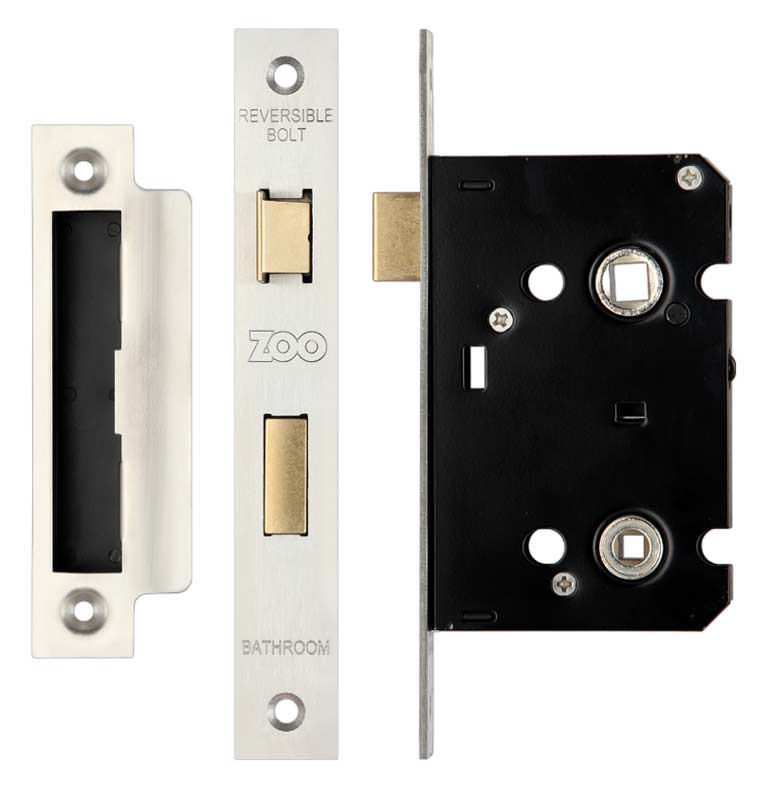
Unlike surface-mounted locks, a mortice lock is fitted inside the door itself. The lock body sits within a pocket that is cut into the edge of the door, making the mechanism largely hidden when the door is closed. This recessed installation not only creates a cleaner appearance but also provides greater resistance against tampering or forced entry.
Mortice locks are often used on front doors, internal doors, and office doors, and they are commonly paired with door handles, knobs, or additional security locks depending on the door’s purpose.
How a Mortice Lock Works
The name “mortice” refers to the cavity cut into the door to house the lock case. When installed, the lock body sits inside this cavity, with only the faceplate visible along the edge of the door.
Inside the lock case is a mechanism that controls either a latch, a bolt, or both. When the key or handle is turned, this mechanism moves the bolt or latch in and out of the door frame, securing or releasing the door.
Mortice locks are typically operated in one of two ways. Some are controlled entirely by a key, while others combine a key-operated bolt with a handle-operated latch.
Because the mechanism sits within the door itself, mortice locks tend to be sturdier than many surface-mounted alternatives.
Types of Mortice Locks
There are several different types of mortice locks, each designed for a specific use. Understanding the differences can help you choose the right lock for your door.
Mortice Deadlock
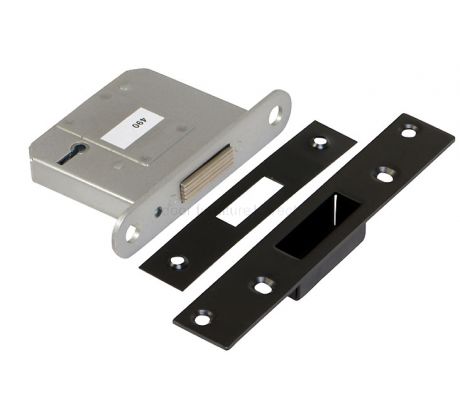
A mortice deadlock is a key-operated lock that contains a solid bolt rather than a spring latch. The bolt moves in and out of the door frame when the key is turned.
Deadlocks are typically used on external doors where security is the priority. Because the bolt cannot be pushed back without the key, they offer strong resistance against forced entry.
Many front doors use a mortice deadlock as the primary security lock.
e.g. Black 5 Lever Mortice Deadlock
Mortice Sashlock
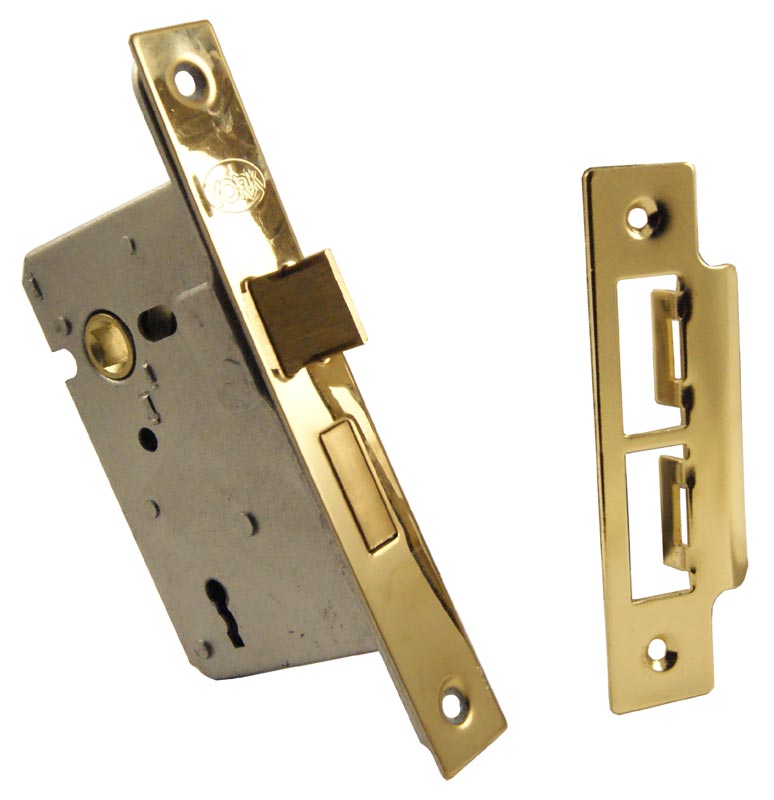
A mortice sashlock combines two mechanisms within one lock case: a latch and a deadbolt.
The latch is operated by a door handle or knob, allowing the door to open and close easily during normal use. The deadbolt is controlled by a key and provides additional security when locked.
Sashlocks are commonly used on front doors where both convenience and security are required.
e.g. York 3 Lever Mortice Sashlock
Mortice Bathroom Lock
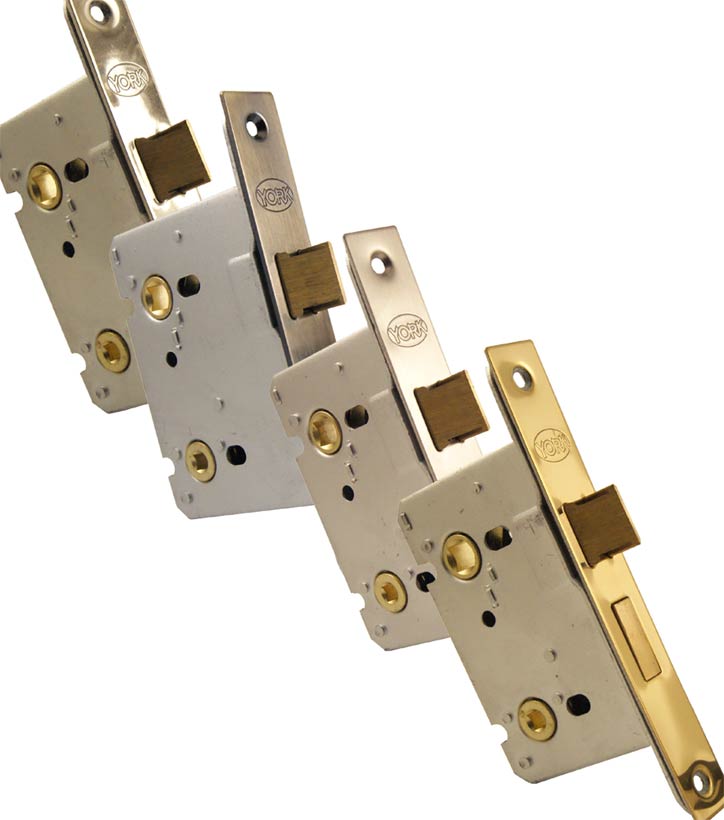
A mortice bathroom lock is designed specifically for bathroom doors. Instead of using a key, it typically includes a thumbturn on the inside that locks the door and an emergency release on the outside.
This allows the door to be opened from outside in case of emergency while still providing privacy.
e.g. York Bathroom Mortice Lock
3 Lever and 5 Lever Mortice Locks Explained
When choosing a mortice lock, you will often see references to 3 lever or 5 lever locks. The number of levers inside the lock refers to the internal security mechanism that the key operates.
In simple terms, the more levers a lock has, the more secure it generally is.
3 Lever Mortice Locks
A 3 lever mortice lock contains three internal levers that the key must move into the correct position before the lock can open.
These locks are commonly used on:
-
Internal doors within homes
-
Cupboards or utility rooms
-
Low-security applications
Because they have fewer internal levers, they are generally less resistant to picking or forced entry compared to higher lever locks.
For this reason, 3 lever locks are usually recommended for internal doors rather than external entrance doors.
5 Lever Mortice Locks
A 5 lever mortice lock contains five internal levers, making the mechanism more complex and significantly harder to manipulate.
These locks are typically used for:
-
Front doors
-
Back doors
-
External wooden doors
-
Areas where stronger security is required
Many high-security mortice locks in the UK are 5 lever locks certified to British Standard BS3621. These locks often include additional security features such as hardened steel plates and anti-drill protection.
Because of their improved resistance to attack, 5 lever mortice locks are widely recommended for main entrance doors.
Choosing Between 3 Lever and 5 Lever Locks
The best choice depends on where the lock will be used.
If you are fitting a lock on an internal door, a 3 lever mortice lock is usually sufficient and is often paired with standard door handles.
For external doors, a 5 lever mortice lock is normally the better option because it offers a much higher level of security and is more likely to meet insurance requirements.
In general, the more levers a mortice lock contains, the greater the protection it can provide against unauthorised entry.
Common Mortice Lock Sizes
Mortice locks are produced in several standard sizes to suit different door types and handle positions.
Two measurements are particularly important when choosing a mortice lock: the backset and the case depth.
The backset is the distance from the edge of the door to the centre of the keyhole or spindle hole. This measurement determines how far the handle or keyhole sits from the edge of the door.
The case depth refers to the overall size of the lock body that sits inside the door.
Typical mortice lock sizes include 2.5 inch and 3 inch locks, although other sizes are available depending on the door design.
Choosing the correct size ensures the lock aligns properly with the door furniture and operates smoothly.
Security Ratings and British Standard Locks
Many external doors in the UK use British Standard mortice locks. These locks are tested to meet specific security requirements and are often recommended by insurers for front doors.
The most widely recognised standard is BS3621. Locks that meet this standard usually feature anti-drill plates, hardened steel components and other features designed to resist common attack methods.
If you are upgrading your door security, choosing a British Standard mortice lock is often recommended.
Where Mortice Locks Are Typically Used
Mortice locks are most commonly found on timber doors, particularly traditional front doors and internal wooden doors.
Typical applications include:
- Front doors on houses and flats
- Internal doors in homes and offices
- Commercial buildings and workplaces
- Hotel and hospitality doors
Because the lock body is concealed inside the door, mortice locks provide a neat appearance while maintaining strong security.
Mortice Locks vs Other Door Locks
Compared with surface-mounted locks such as night latches, mortice locks are generally more robust because the mechanism is embedded within the door itself.
Night latches automatically lock when the door closes and are often used as secondary locks. Mortice locks, on the other hand, are typically designed as the main locking system for a door.
Euro cylinder locks, which are commonly used on uPVC and composite doors, operate differently again. These rely on a removable cylinder barrel, whereas mortice locks usually have the locking mechanism built directly into the lock case.
When Should You Replace a Mortice Lock?
There are several reasons why you might need to replace a mortice lock.
The lock may have become worn or difficult to operate over time. Keys may have been lost or stolen. The existing lock might not meet modern security standards. In some cases, the lock may simply be damaged or no longer functioning properly.
Replacing an old mortice lock with a modern, high-quality version can significantly improve the security and reliability of your door.
Final Thoughts
Mortice locks remain one of the most trusted locking solutions for wooden doors. Their recessed design provides both strong security and a clean, traditional appearance.
Whether used as a deadlock for maximum security or as a sashlock combined with door handles for everyday convenience, mortice locks offer a dependable way to secure both homes and commercial properties.
Understanding how mortice locks work and the different types available will help you choose the right lock for your door and ensure it provides the level of security you need.
