
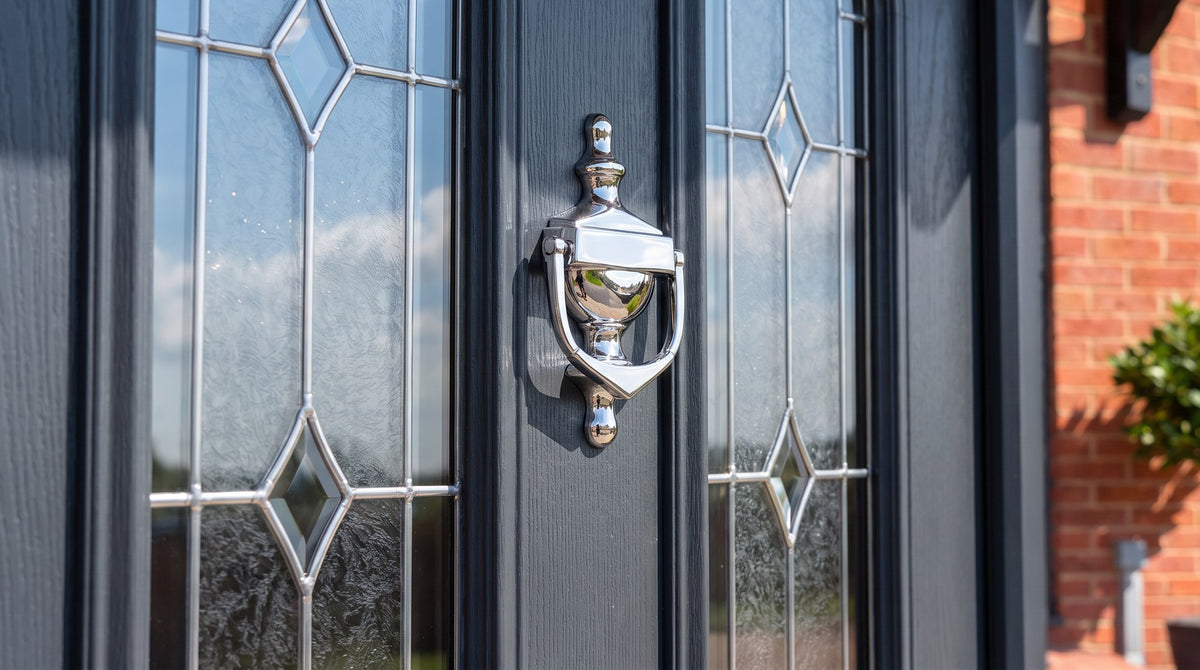
Bright chrome on an anthracite composite door
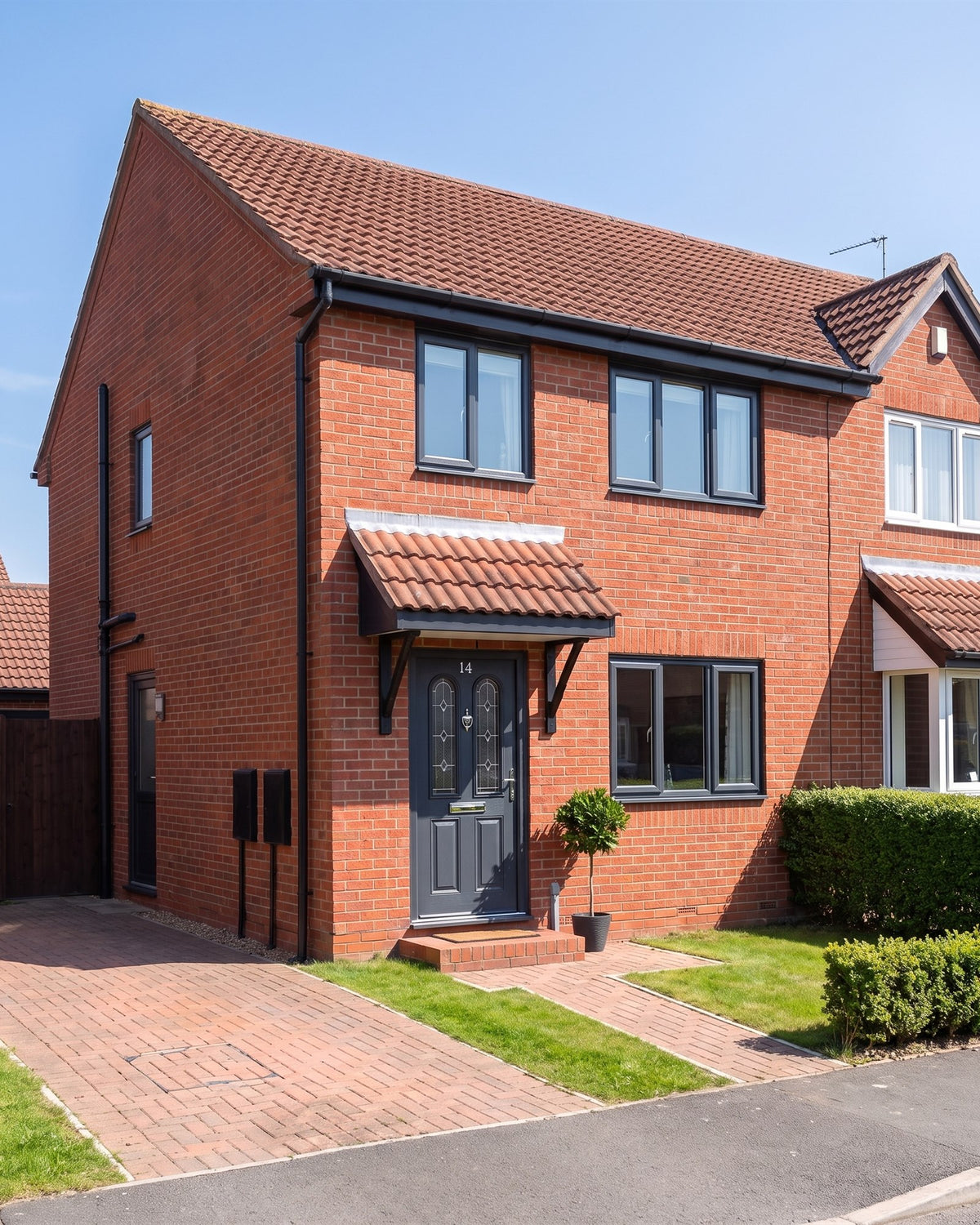
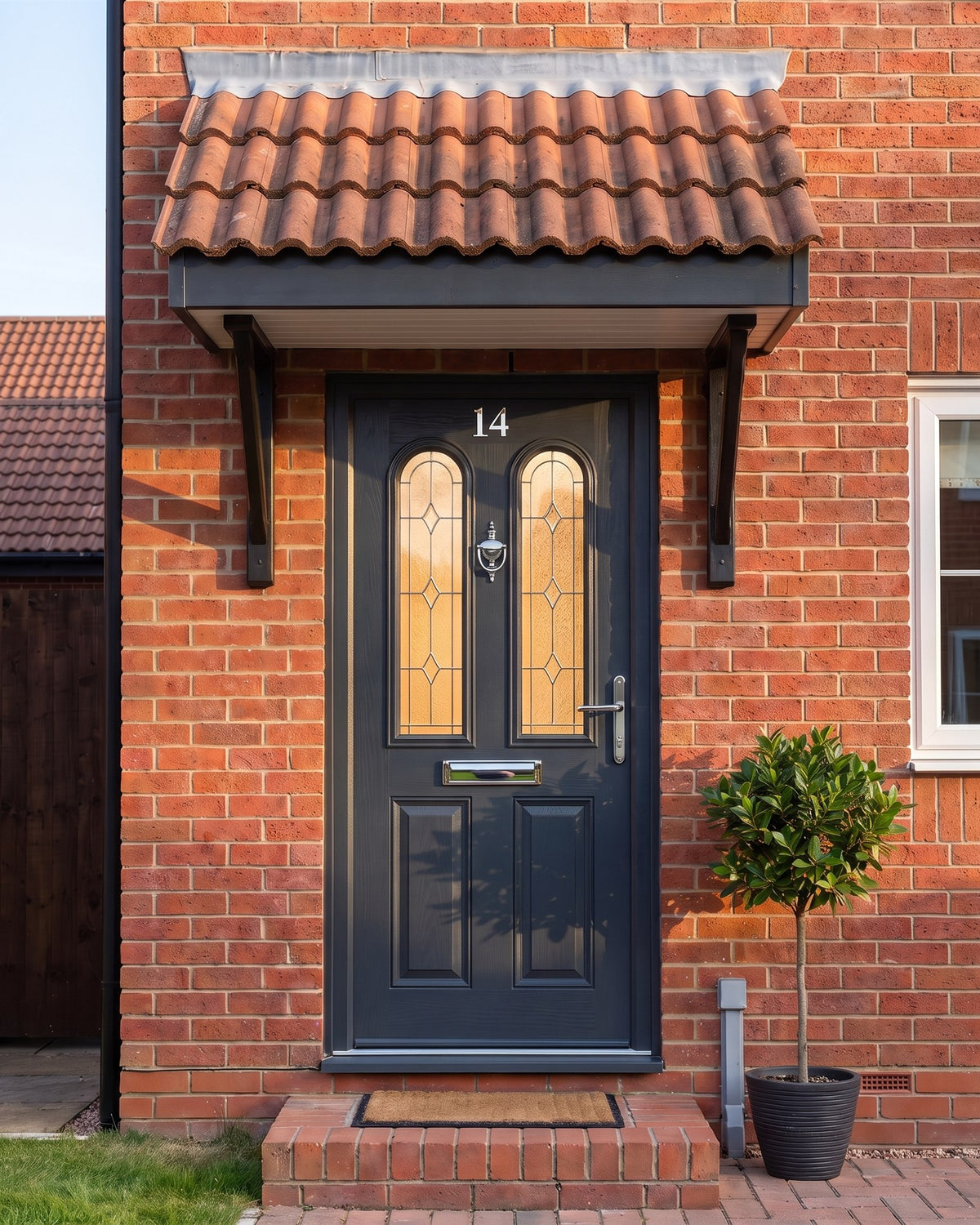
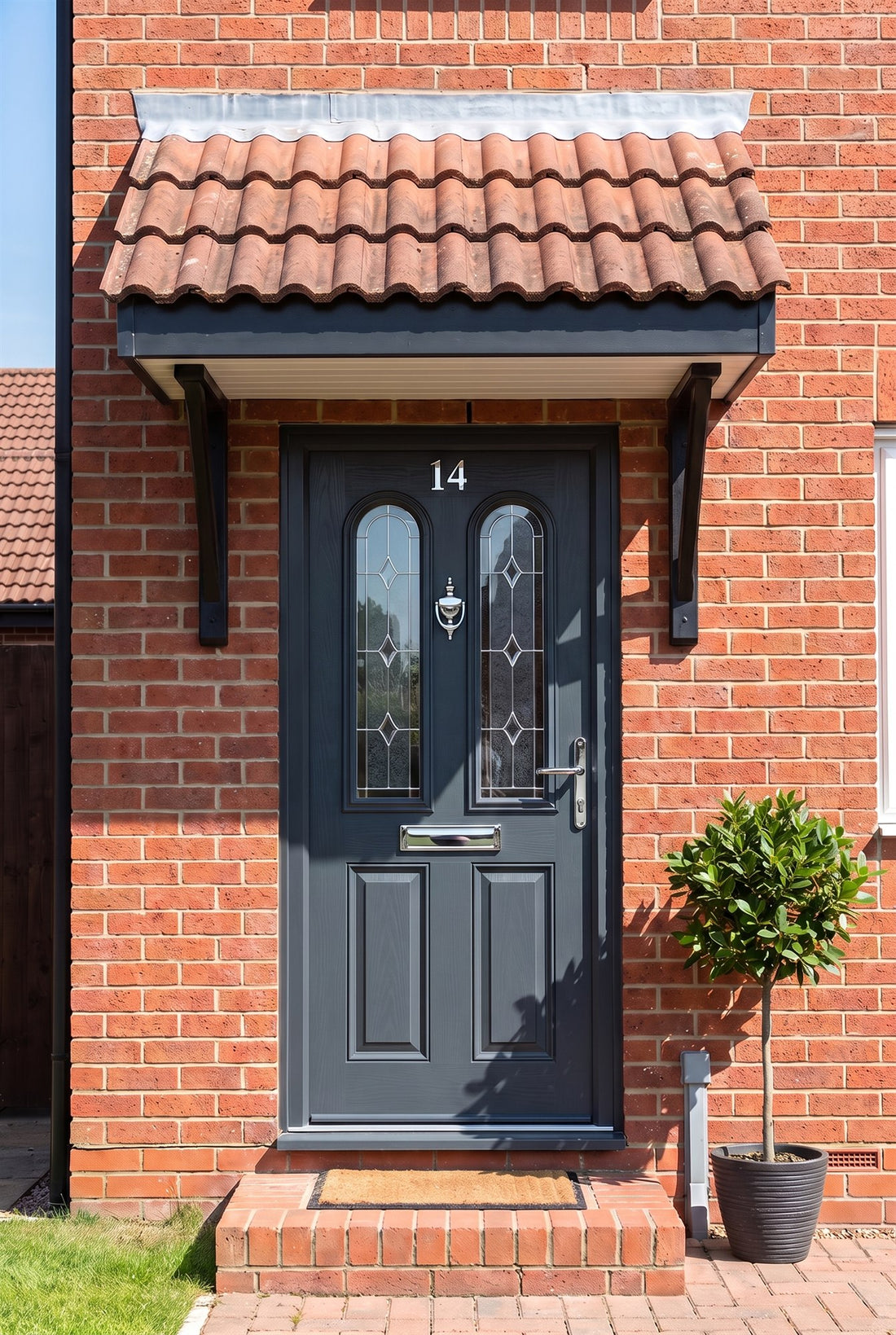
A traditional-style composite door in anthracite grey, lifted with mirror-bright Hardex chrome: the most popular pairing on British doorsteps, done properly.
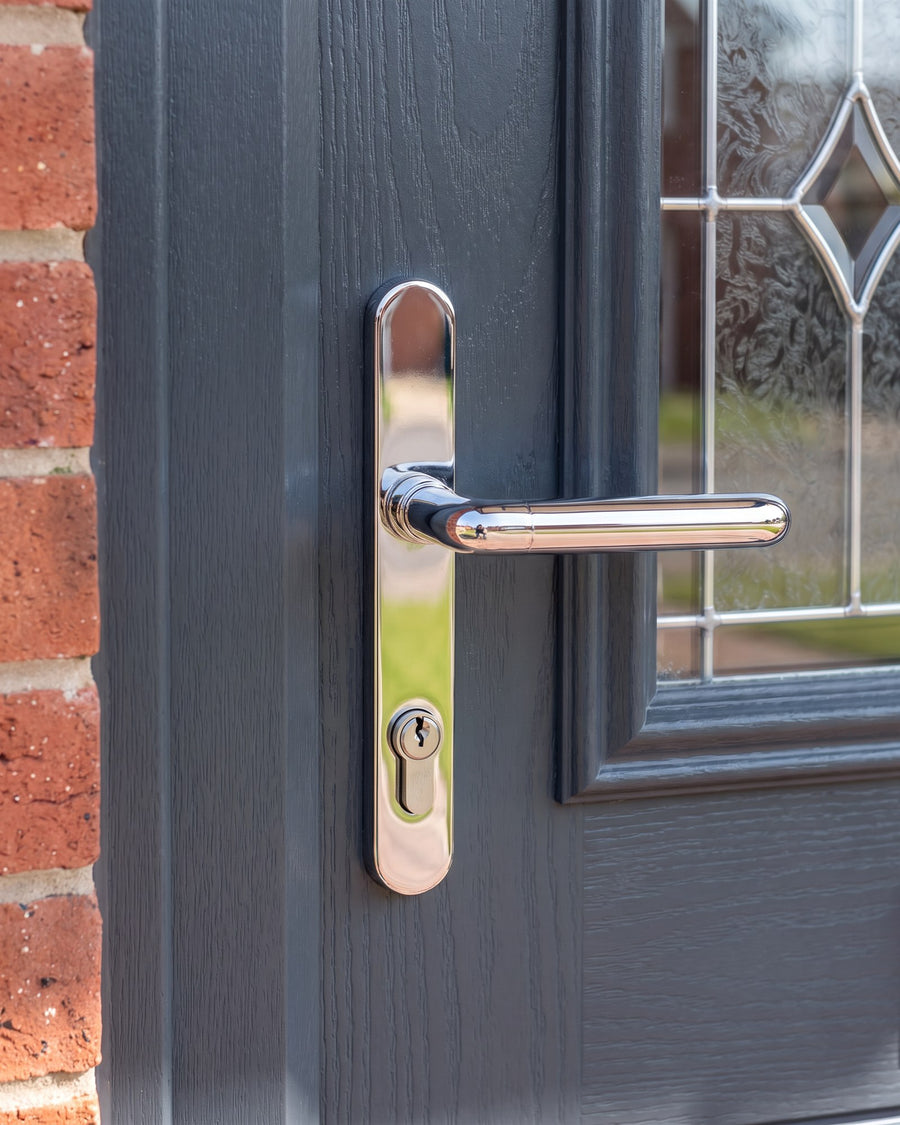
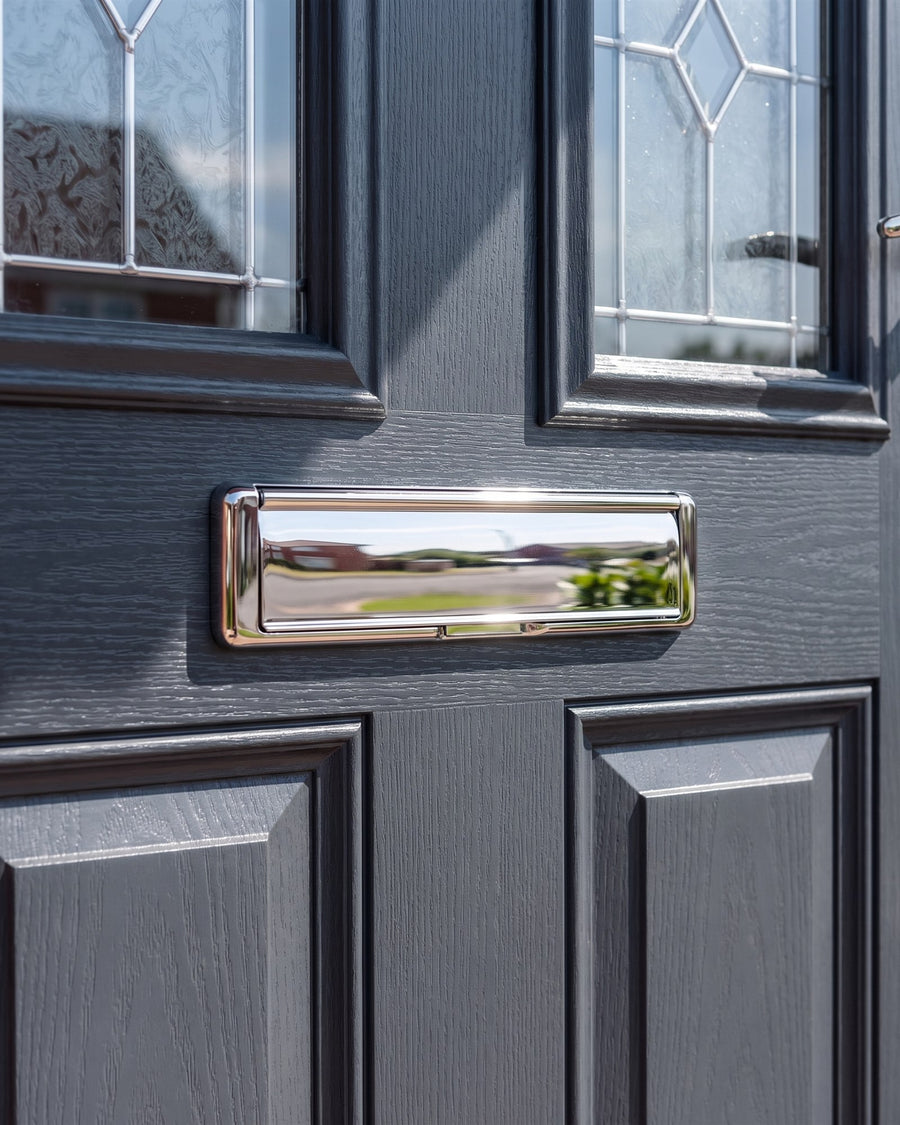
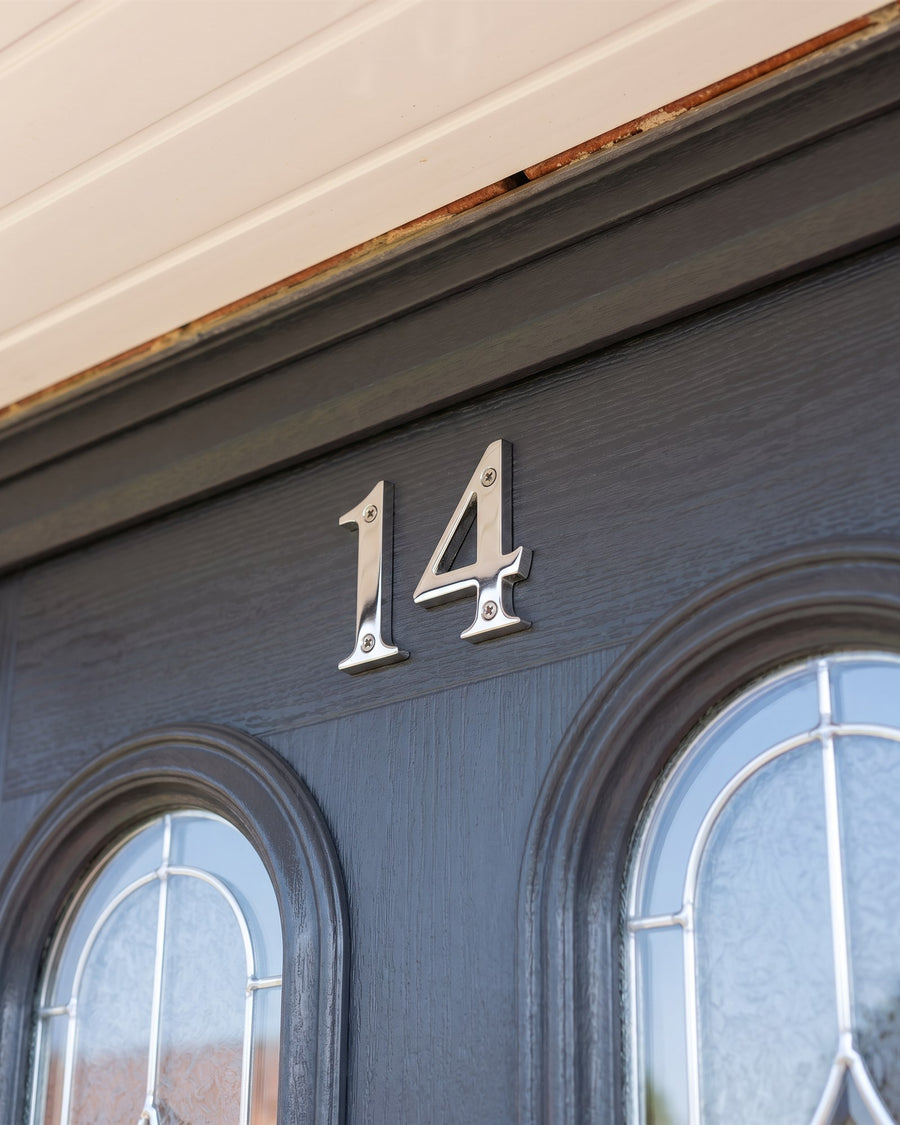
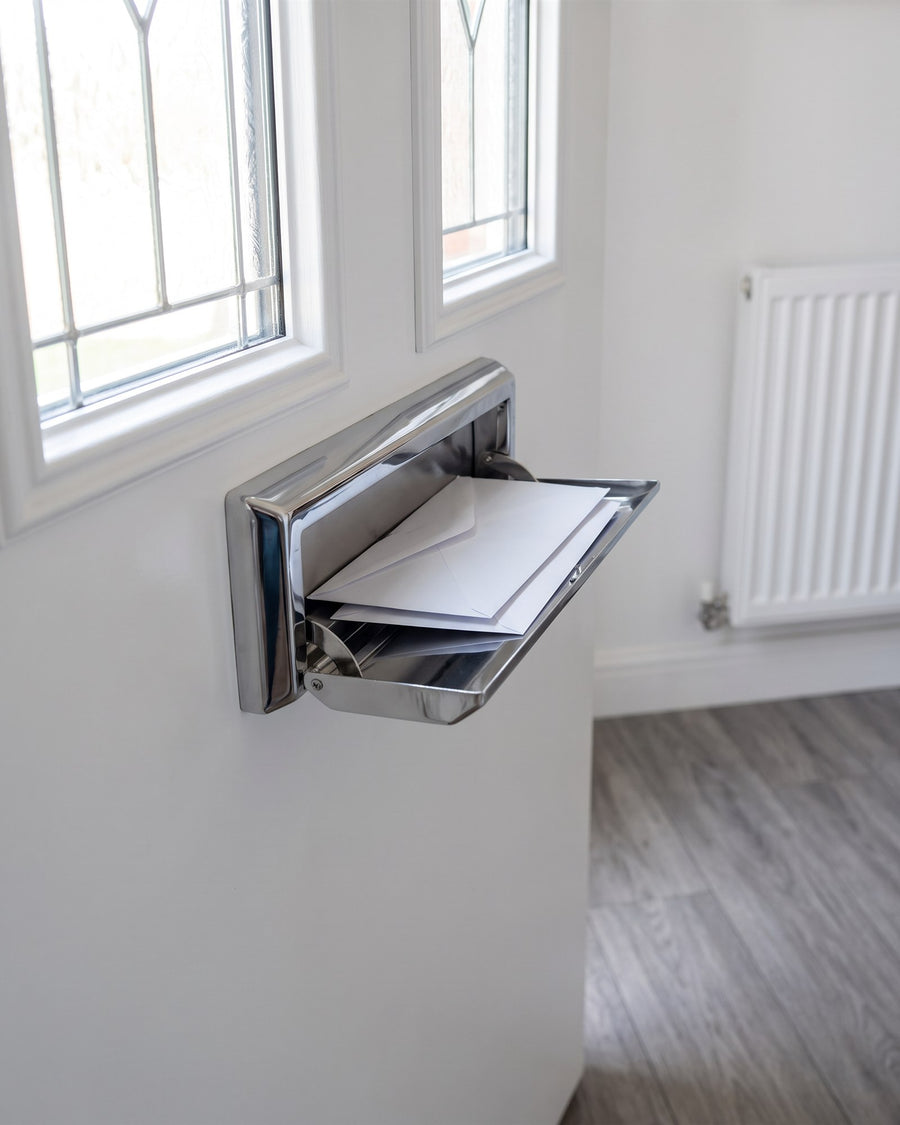
A 1990s red-brick semi with a tiled canopy porch and new anthracite windows. The old white uPVC door has made way for a traditional-style composite door in anthracite grey, with a fine woodgrain finish and two arched leaded glass panels. Hardex chrome fittings give it the contrast a dark door needs: the urn knocker, the letter plate and the lever all catch the light against the grey, and pick up the leaded lines in the glass.
Hardex chrome for an anthracite composite door


Other Hardex chrome handles, knockers and letter plates
-
Windsor Hardex Chrome Lever Handles

-
Heritage Hardex Chrome Lever Handles

-
Kensington Hardex Chrome Lever Pad

-
Architectural Hardex Chrome Lever Handles

-
Hardex Chrome Lion Head Knocker

-
Hardex Chrome Bull Ring Knocker

-
Hardex Chrome Doctor Knocker

-
Hardex Chrome Contemporary Knocker

-
Hardex Chrome Horsetail Knocker

-
Hardex Chrome Centre Knob 100mm

-
Hardex Chrome Centre Knob 75mm

-
Nu Mail Hardex Chrome Telescopic Letter Plate

-
Heritage Hardex Chrome Telescopic Letter Plate

-
Heritage Hardex Chrome Shield Letter Plate

-
Architectural Hardex Chrome Shield Letter Plate

-
Heritage Hardex Chrome Internal Shield

Why chrome is the go-to for composite doors
Contrast that reads from the street
Anthracite is now the most popular colour for composite doors and windows, and it needs a bright metal to stop it looking flat. Chrome gives the strongest contrast of any finish, so the knocker, letter plate and handle are visible from the pavement and the door looks finished rather than bare.
A traditional door on a modern house
Arched glass, raised panels and an urn knocker borrow from Victorian doors, but the door itself is a modern composite with a multipoint lock. That mix suits the brick semis and detached houses built from the 1980s onwards, which often had plain doors to begin with.
Hardex, not ordinary chrome plate
Hardex is Fab and Fix's hardened finish, tested to the top corrosion grade of BS EN 1670 (480 hours of salt spray). It stays bright through winters that would pit cheaper chrome-plated handles, and a wipe with a soft cloth keeps it clear of fingerprints.
Before you buy
Measure the lock
Check the distance between the lever spindle and the centre of the keyhole. The Balmoral handles here are 92mm, the standard on most modern multipoint locks, and they replace tired handles without new holes.
Spyhole or plain knocker
The Victorian urn knocker comes plain or with a spyhole facility. If you want a viewer, choose that option and order the viewer separately; the door will need drilling through.
Fit both letter plate halves
The Nu Mail shield is designed to be fitted with its matching internal shield. Together they stop anyone fishing through the slot for keys, and the hood keeps the post tidy inside.
Numbers above the glass
On a door with arched glazing, put the numbers on the solid top rail. Use the colour-matched screws supplied, and drill only into the door skin, never into a glazing bead.
