
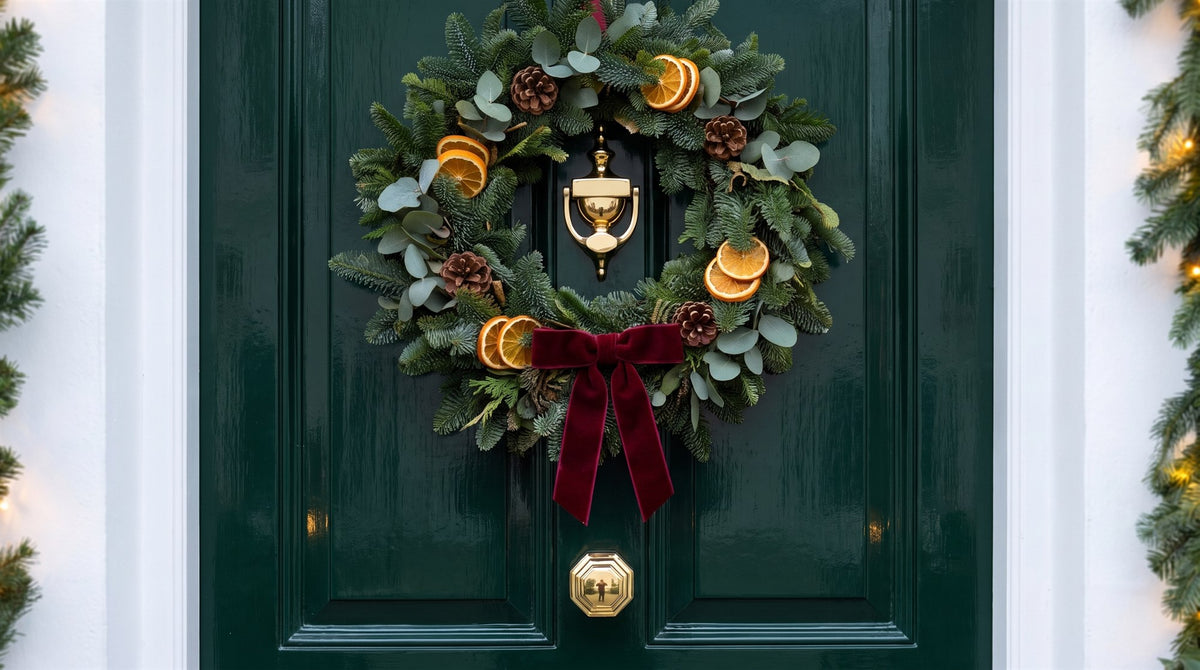
A bottle-green door dressed for Christmas
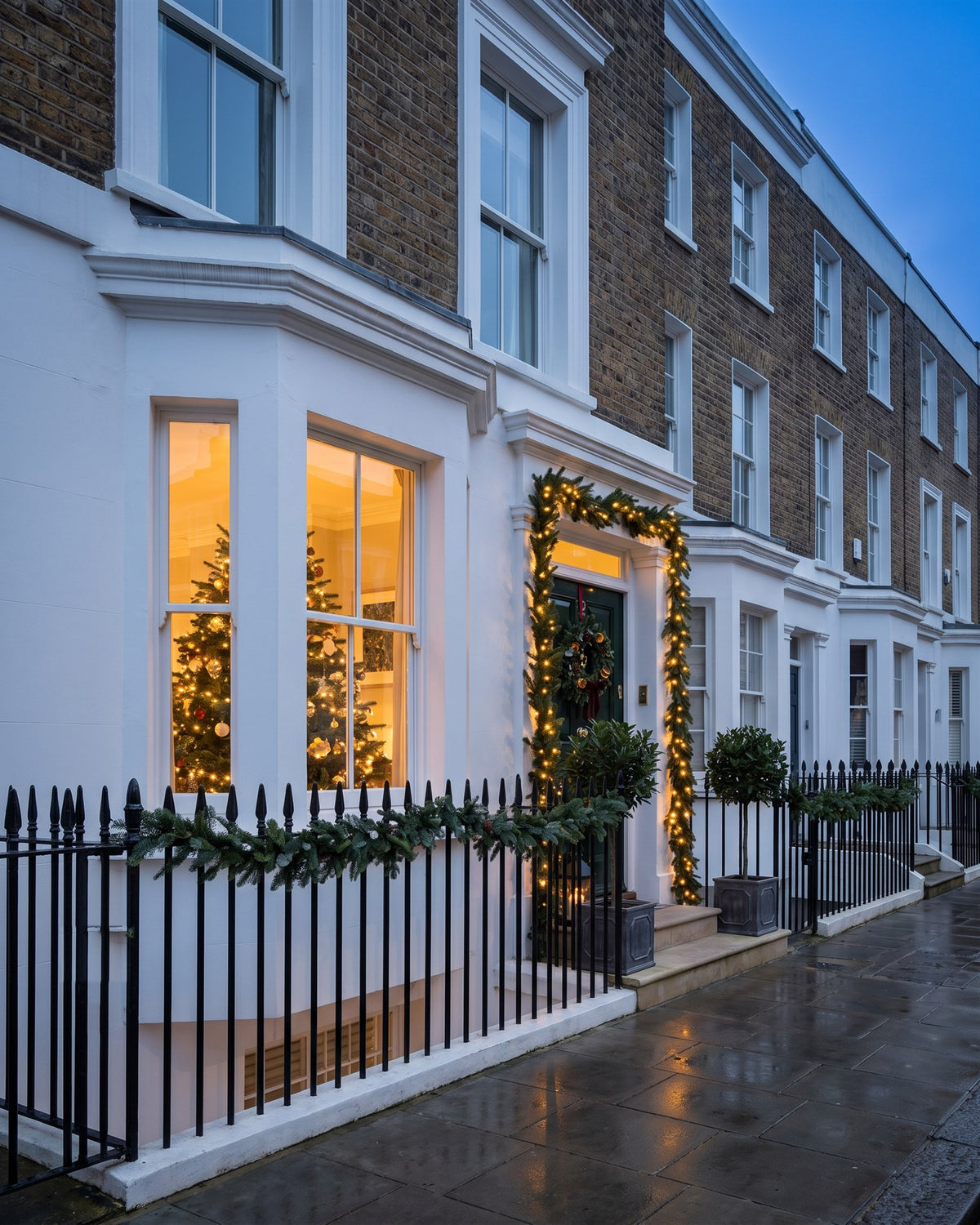
Mirror-bright brass, a fresh wreath and a garland round the doorcase: a Victorian front door that looks its best in December and every month after.
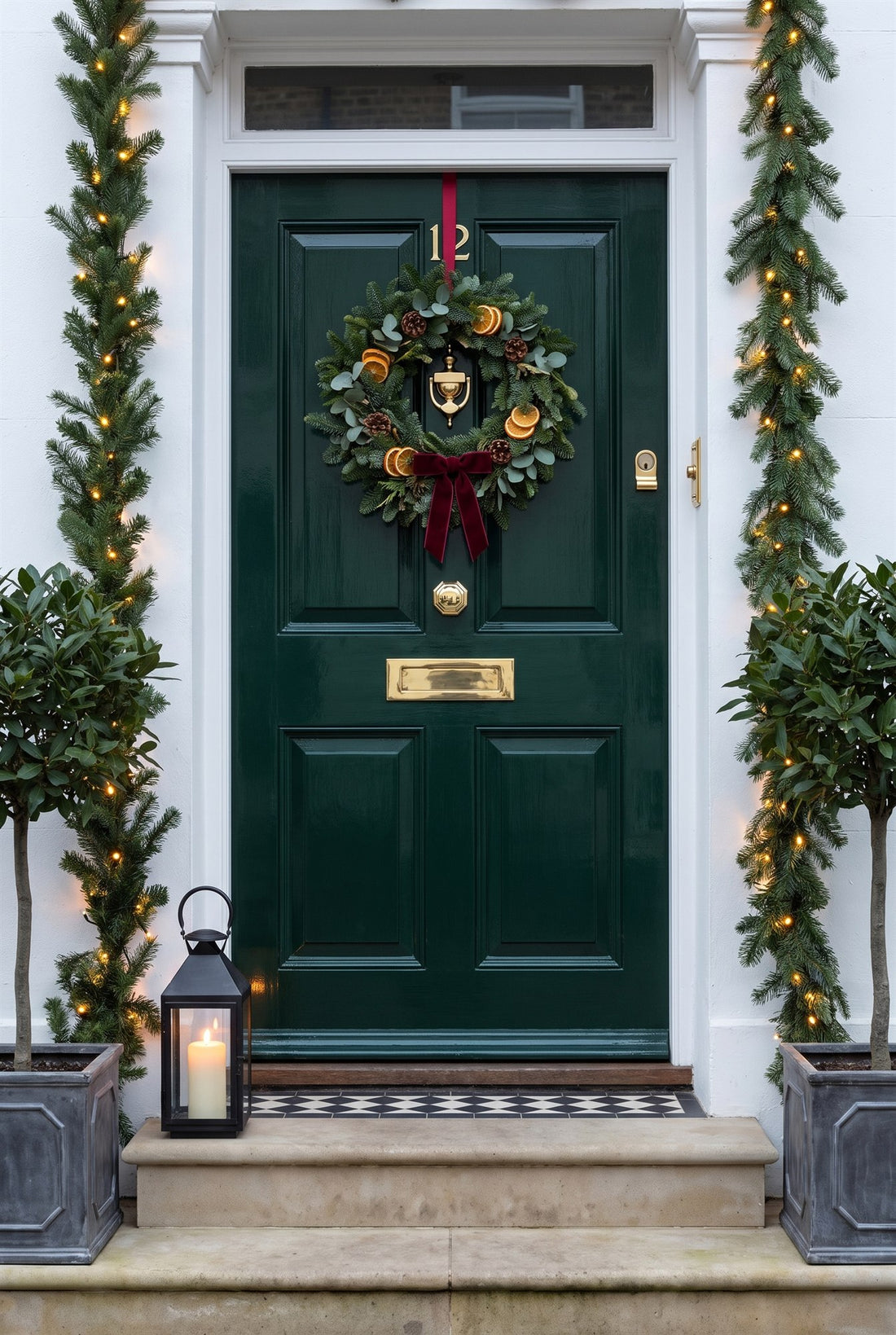
A stucco-fronted Victorian terrace in London, with its four-panel door painted deep, glossy bottle green. The brass is polished and lacquered, so after dark it picks up every fairy light and candle on the step. The wreath hangs from a ribbon over the top of the door, and the knocker shows through its centre, so nothing has to be screwed in for the season. Choose berry red instead of green if you want a door that says Christmas all year round.
Polished brass for a bottle-green door
-
1Polished Brass Urn Door Knocker 195mm

-
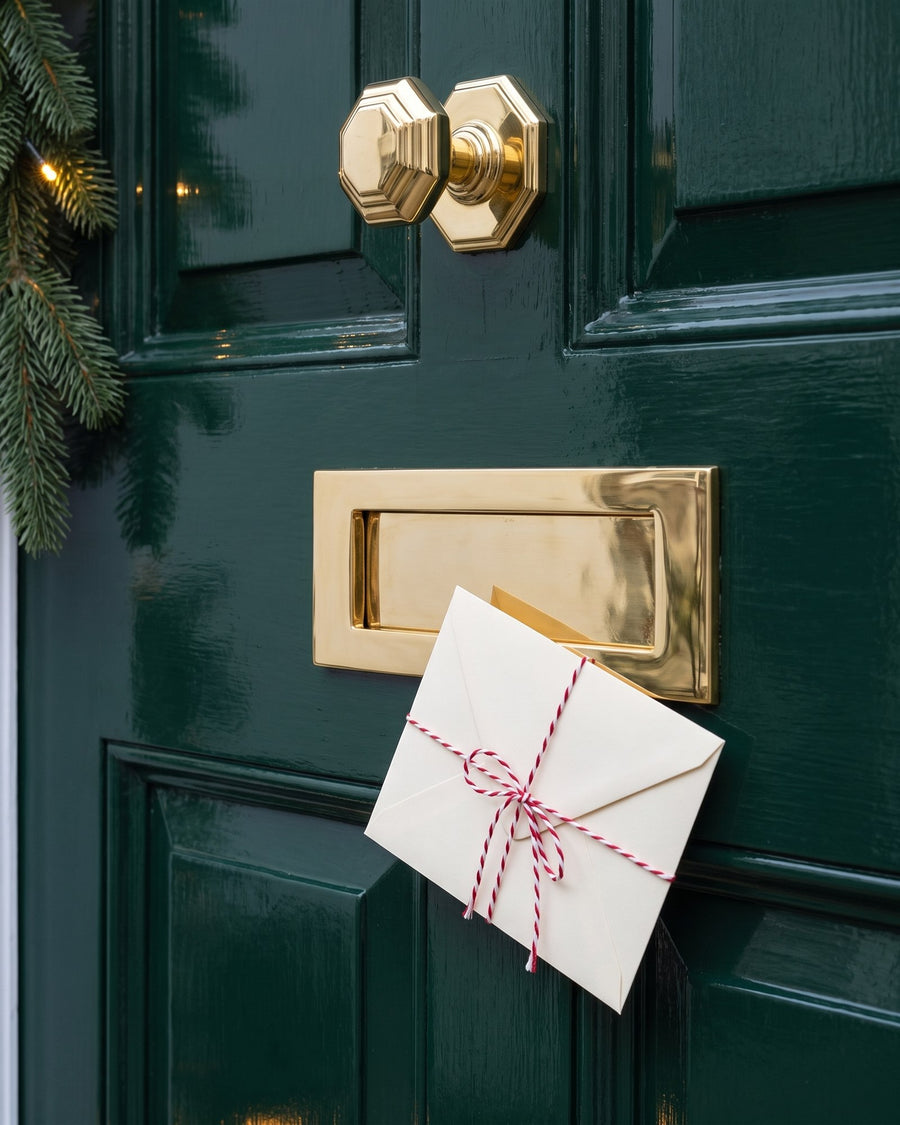
2Polished Brass Octagonal Centre Knob

-
3Polished Brass Victorian Letter Plate 305mm

-
4Polished Brass Door Numbers 51mm

-
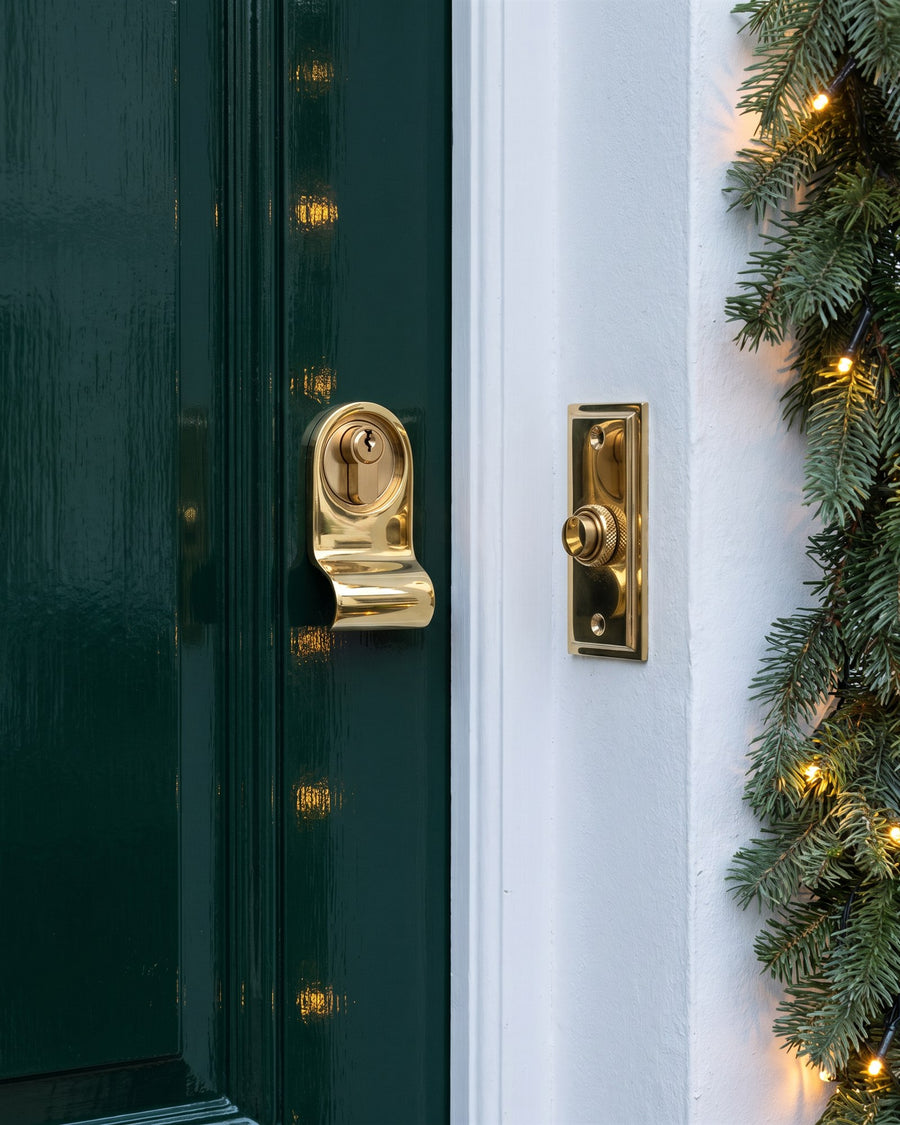
5Polished Brass Cylinder Pull

-
6Polished Brass Stepped Bell Push

-
7Polished Brass Tidy with Draught Excluder

-
8Polished Brass Victoria Door Knobs

-
9Polished Brass Round Euro Escutcheon

More polished brass knockers, knobs and letter plates
-
Polished Brass Lion Door Knocker

-
Polished Brass Doctor Knocker

-
Polished Brass Profile Doctor Knocker

-
Polished Brass Sloane Scroll Knocker

-
Polished Brass Round Centre Knob

-
Polished Brass Stepped Centre Knob

-
Polished Brass Victorian Letter Plate 254mm

-
Polished Brass Postal Knocker

-
Polished Brass Sprung Flap Letter Plate

-
Polished Brass Circular Bell Push

-
Polished Brass Rectangular Bell Push

-
Polished Brass Door Numbers 76mm

-
Polished Brass Door Letters 51mm

-
Polished Brass Tidy 260mm

-
Polished Brass Reeded Door Knobs

-
Polished Brass Octagonal Door Knobs

Why polished brass suits a Christmas door
A Victorian colour that comes into its own in December
Dark greens were among the most popular front door colours in the nineteenth century, using the same durable paints as railings and carriages. They still suit stucco and London stock brick, and at Christmas they need very little help: fir and eucalyptus blend into the paint, so the brass, the dried oranges and the velvet bow stand out.
Brass that works by lamplight
For most of December a front door is seen in the dark, under a porch light or a lantern. Polished brass is buffed to a mirror finish and lacquered, so the knocker and knob reflect every fairy light where a satin or aged finish would fade into the shadows. The lacquer also means no polishing on cold mornings; a soft dry cloth keeps it bright.
Hang the wreath without spoiling the brass
Hang the wreath from a ribbon looped over the top of the door, or from a slim over-door hanger. A nail in the top rail leaves a hole once the wreath comes down, and wire tied around the knocker hoop scratches the lacquer and stops you using it. Leave a gap around the knocker so visitors can still knock.
Before the season starts
Size the letter plate for cards
Christmas post is bulkier than everyday mail. This 305mm plate has a 245mm opening, wide enough for large cards and slim parcels, and it suits the middle rail of most Victorian four-panel doors.
Stop the winter draught
Fit the internal tidy over the letter opening on the inside. It covers the cut edges of the hole, and the foam strip under its flap stops cold air blowing in on winter nights.
Numbers the street can read
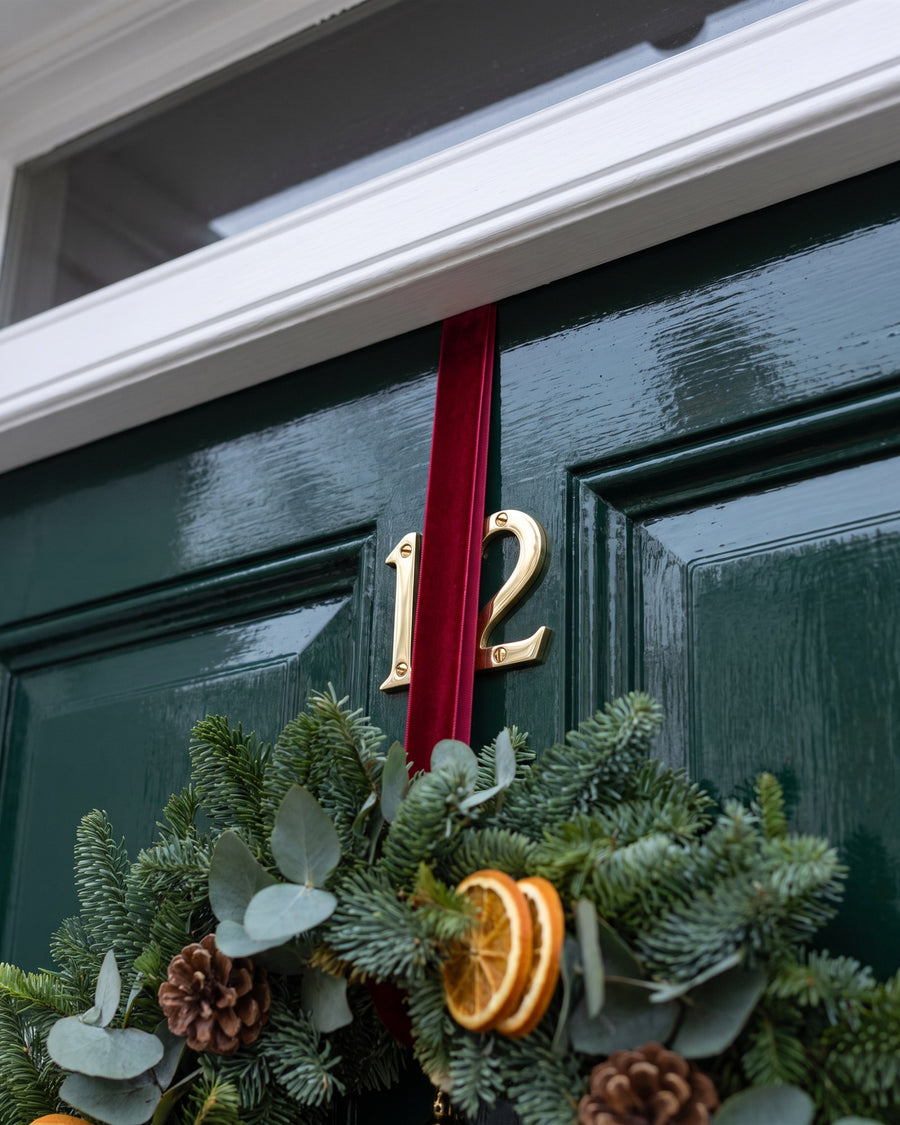
Numbers are sold one digit at a time, so order each one you need. Place them on the top rail or centre muntin, high enough that a wreath or garland never hides them from the road or a delivery driver.
Knob for pulling, cylinder for opening
The octagonal centre knob is fixed and doesn't turn: it's there to pull the door shut. You open the door with your key in the nightlatch cylinder, which the brass cylinder pull frames neatly on the outside, so choose the two together.
