
Door Number Materials & Finishes Explained
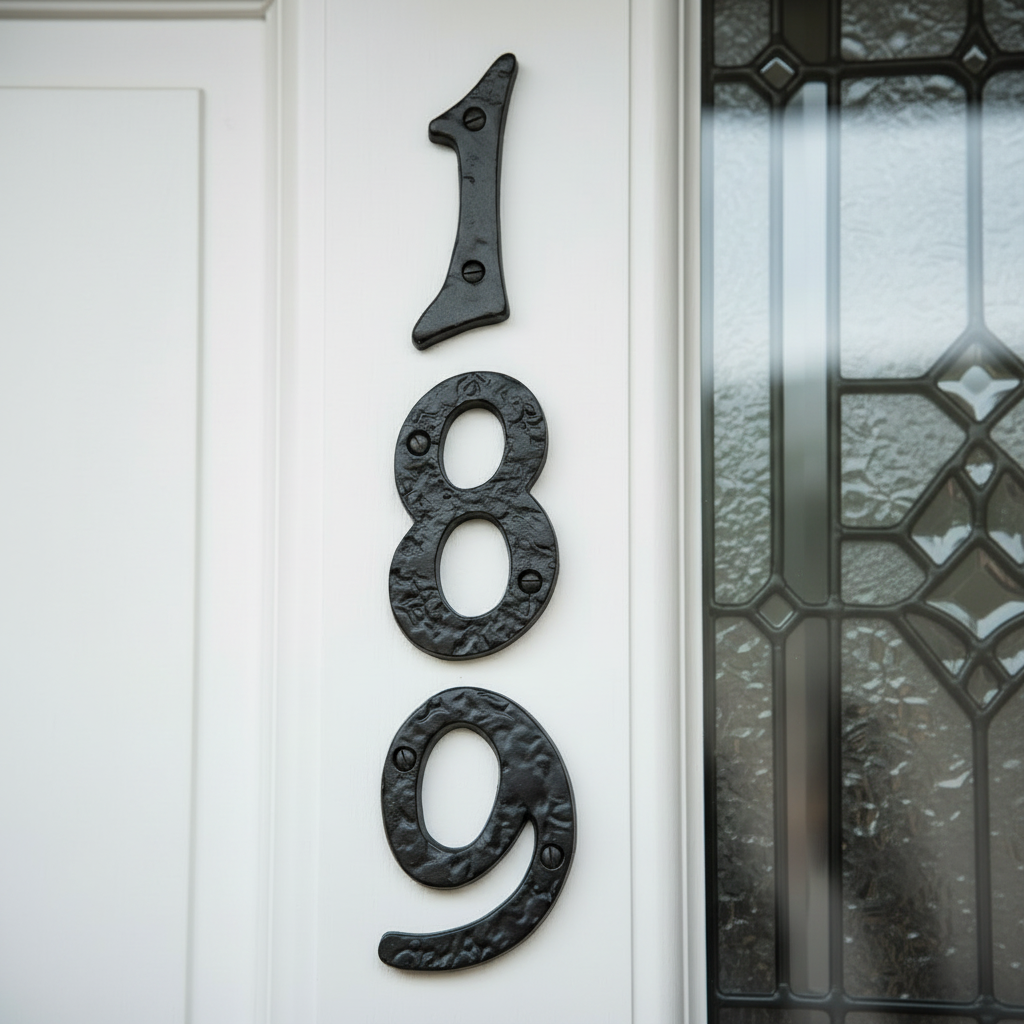
Choosing the right house numbers is not just about size and placement. The material and finish you choose will affect how your door numbers look, how long they last, and how well they stand up to the British weather.
With so many options available, from polished metals to modern black finishes, it can be difficult to know which is best for your home. This guide explains the most common door number materials and finishes, how they differ, and where each one works best.
If you want to explore all options as you read, you can browse the full range of door numbers.
Why Material and Finish Matter
Door numbers are exposed to the elements all year round. Rain, sunlight, temperature changes and general wear all affect how a finish performs over time.
Choosing the right material ensures:
-
Long-term durability outdoors
-
Resistance to corrosion or fading
-
A finish that suits your property style
-
A consistent look with your other door furniture
A well-chosen finish will not only last longer but also enhance the overall appearance of your entrance.
Brass Door Numbers (Classic and Traditional)
Brass is one of the most popular materials for house numbers, particularly on traditional and period-style properties.
You can explore the full range of brass door numbers.
Types of Brass Finishes
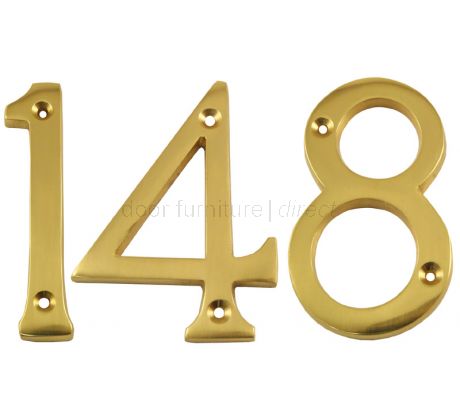
Polished brass door numbers
Bright, reflective and traditional. Ideal for classic front doors, especially on timber properties. These will develop a natural patina over time unless regularly polished.
Browse polished brass door numbers.
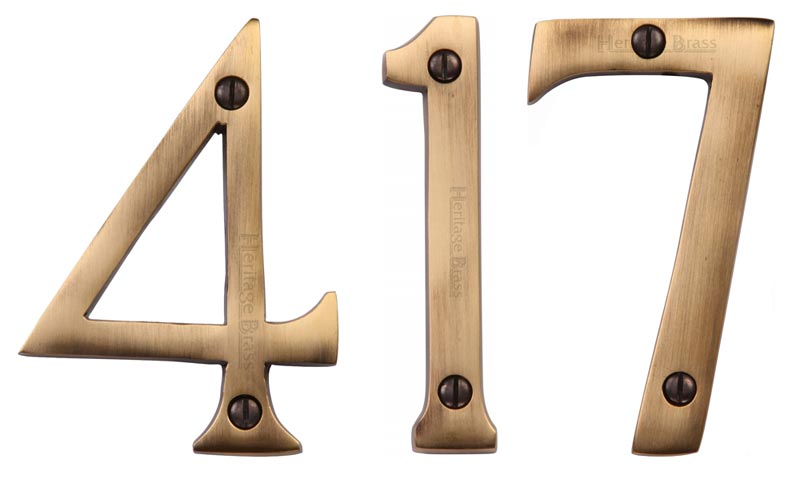
Antique brass door numbers
Darker and more muted, designed to give an aged or heritage appearance. Perfect for older homes or period renovations.
Browse antique brass door numbers.
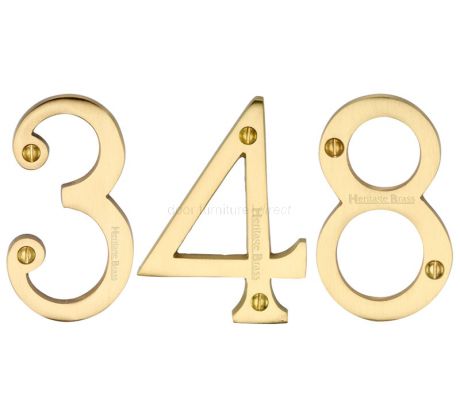
Satin brass door numbers
A softer, brushed finish that sits between modern and traditional. Less reflective than polished brass and easier to maintain.
Browse satin brass door numbers.
Best for:
-
Traditional homes
-
Timber doors
-
Period-style entrances
Chrome Door Numbers (Modern and Reflective)
Chrome finishes are commonly chosen for modern homes due to their clean and reflective appearance.
Explore chrome door numbers.
Types of Chrome Finishes
Polished chrome door numbers
Highly reflective with a mirror-like finish. Works well with modern doors and contemporary exteriors.

Satin chrome door numbers
A softer, brushed version that reduces fingerprints and glare while still maintaining a modern look.

Browse satin chrome door numbers.
Best for:
-
Contemporary homes
-
uPVC and composite doors
-
Matching chrome door furniture
Black Door Numbers (Bold and High Contrast)
Black door numbers have become one of the most popular choices in recent years, particularly for modern and minimalist homes.

View the range of black door numbers.
Why choose black:
-
Excellent contrast on light surfaces
-
Strong visibility from the road
-
Works across both modern and traditional properties
Black finishes are often powder-coated, making them durable and resistant to weathering.
Best for:
-
White or light-coloured walls
-
Modern exterior designs
-
High-contrast visibility
Stainless Steel Door Numbers (Durable and Contemporary)
Stainless steel is known for its durability and resistance to corrosion, making it ideal for outdoor use.
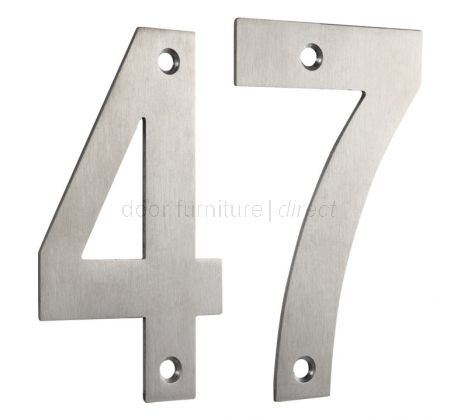
Browse stainless steel door numbers.
Key benefits:
-
Highly resistant to rust and weather
-
Low maintenance
-
Modern, clean appearance
Available in brushed or satin finishes, stainless steel is a reliable choice for long-term use.
Best for:
-
Coastal areas
-
Modern homes
-
Long-lasting installations
Nickel Door Numbers (Subtle and Refined)
Nickel finishes offer a softer alternative to chrome, with a slightly warmer tone.
Explore nickel door numbers.
Types of Nickel Finishes
Satin nickel door numbers
A brushed finish that is understated and practical, often used in modern interiors and exteriors.
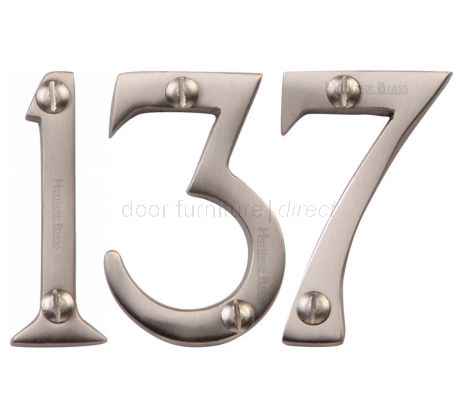
Browse satin nickel door numbers.
Best for:
-
Subtle, understated design
-
Matching satin nickel door hardware
-
Homes with neutral colour schemes
uPVC Door Numbers (Versatile and Practical)
uPVC door numbers are designed specifically to suit modern uPVC and composite doors. They are typically lightweight, easy to install and available in a range of finishes to match contemporary door styles.
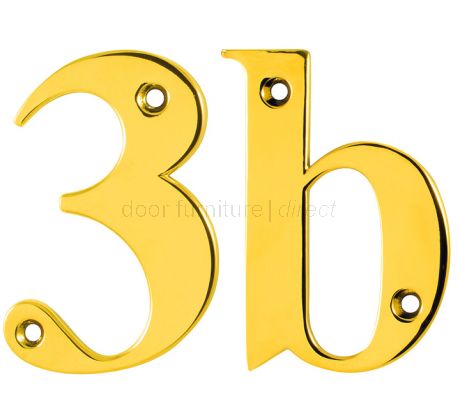
Browse upvc door numbers.
Available finishes in uPVC ranges include:
-
Black
-
White
-
Chrome-style finishes
-
satin (Satin chrome)
-
Gold
-
Graphite
- Bronze
These finishes are designed to complement the most common uPVC door colours and styles, making them a practical choice for modern homes.
Best for:
-
uPVC and composite doors
-
Easy installation
-
Matching modern door hardware
Choosing the Right Finish for Your Home
When selecting a material or finish, consider both appearance and practicality.
Think about:
-
Your door material (timber, uPVC, composite)
-
Exposure to weather
-
Existing door furniture finishes
-
Desired level of maintenance
For example:
-
A coastal property may benefit from stainless steel
-
A traditional home may suit antique brass
-
A modern home may work best with black or chrome
Consistency is key. Matching your door numbers with your handles, letterbox and knocker creates a more cohesive and polished look.
Final Thoughts
Door numbers may seem like a small detail, but the right material and finish can make a significant difference to both the appearance and durability of your entrance.
From classic brass to modern black and durable stainless steel, each finish offers its own advantages. By choosing a material that suits your home and environment, you ensure your door numbers remain both functional and visually appealing for years to come.
To explore all available styles and finishes, browse the full collection of door numbers and find the perfect match for your home.
