

Georgian interiors: polished brass knobs on six-panel doors
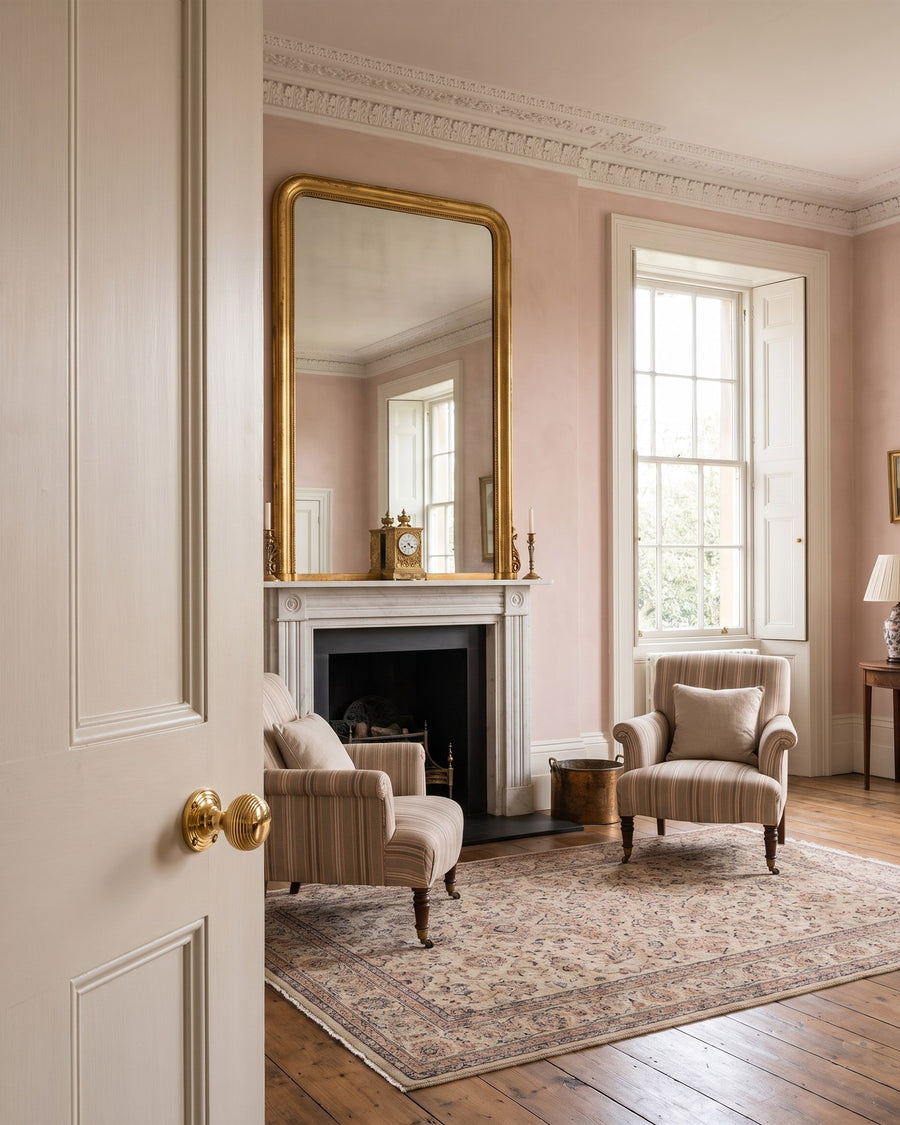
Soft off-white doors, tall sash windows and a gleaming brass knob on every door. The calm order of a Georgian house.
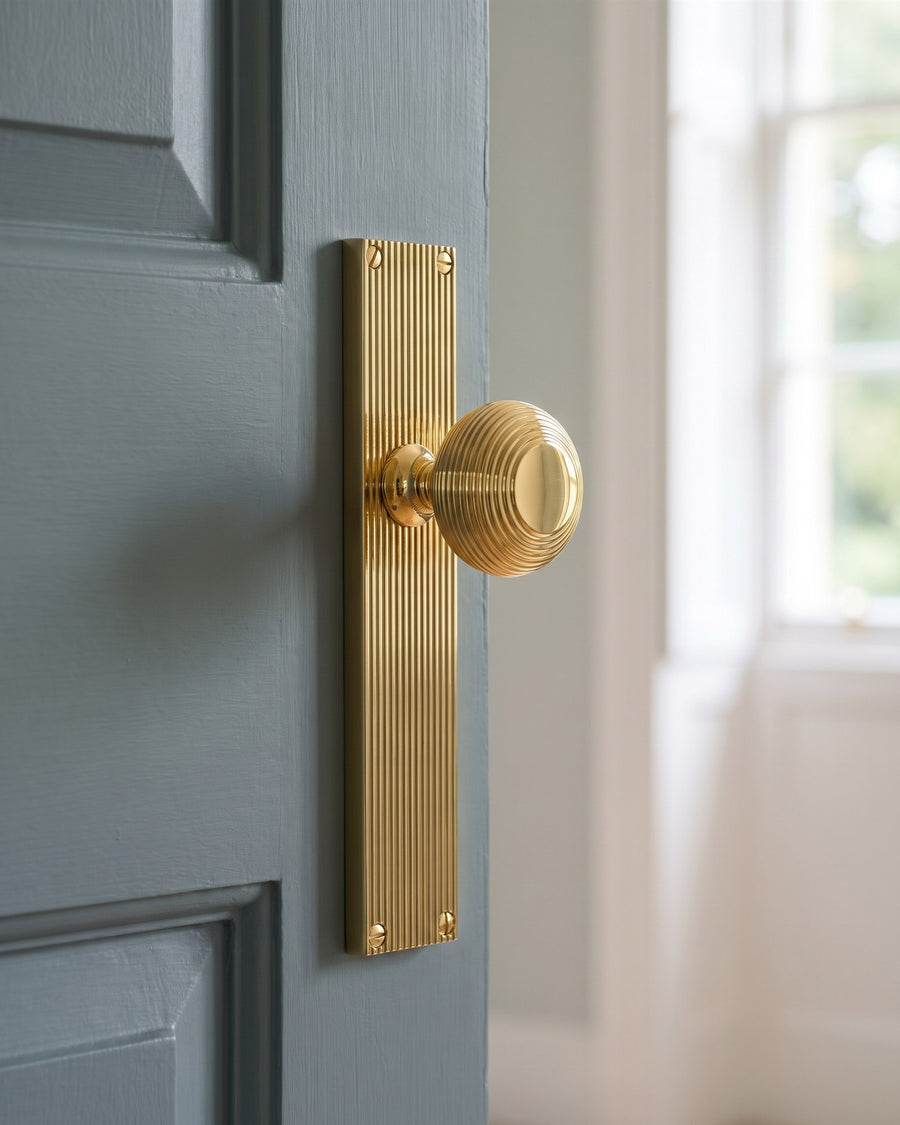
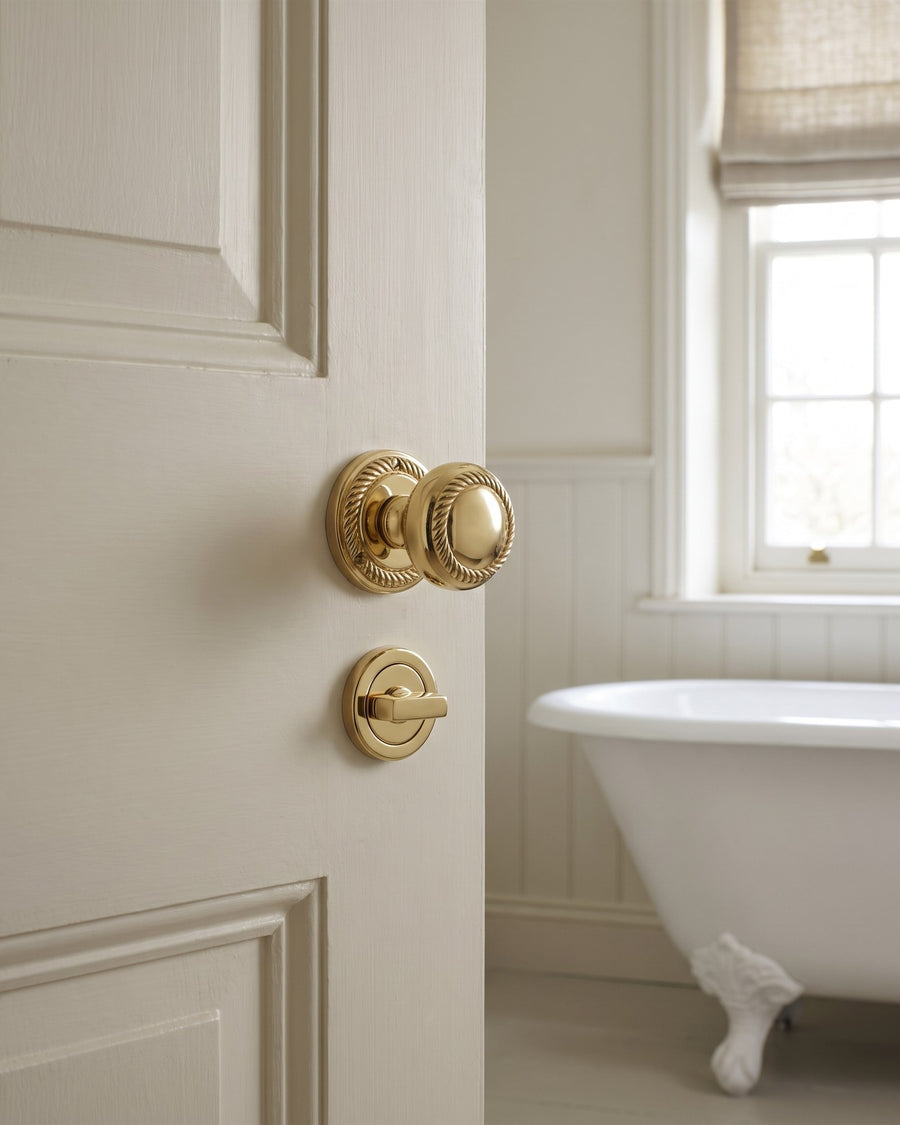
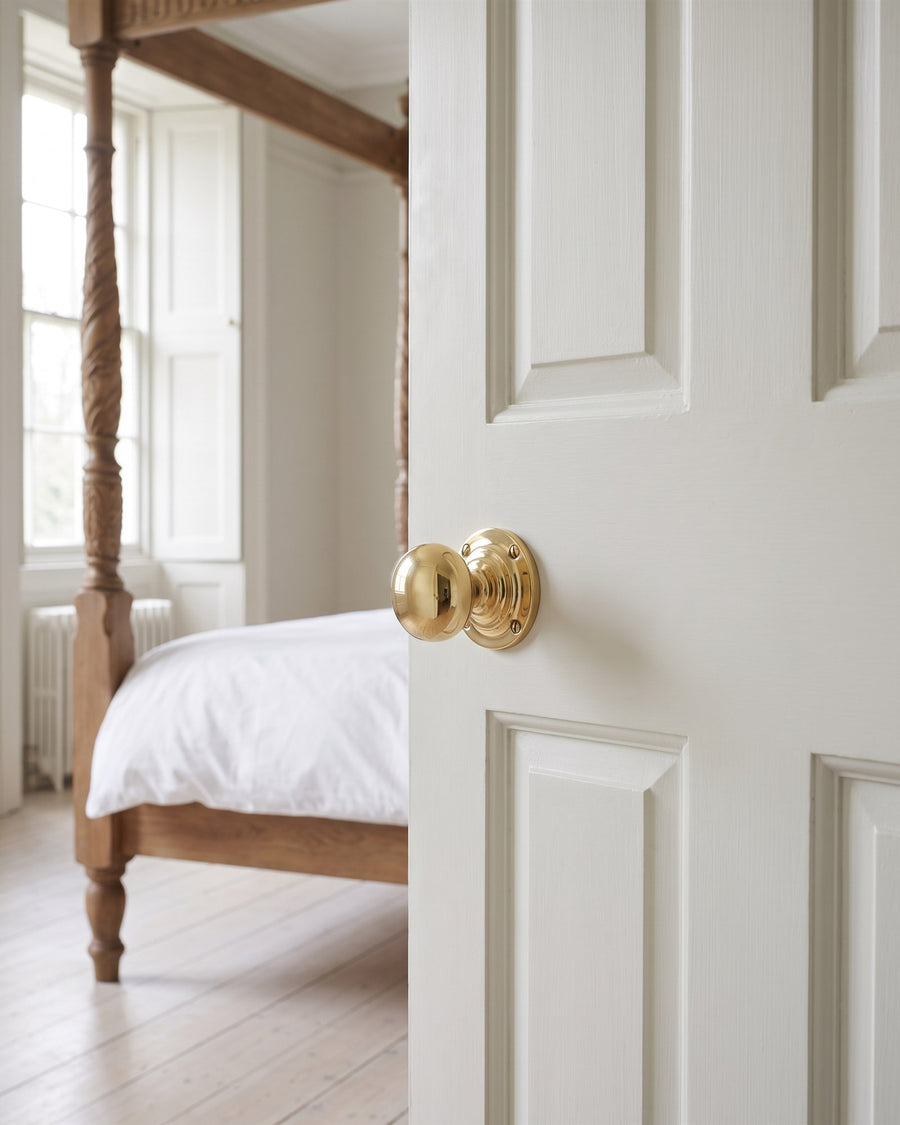
Paint the doors a soft off-white or a quiet grey-green or blue-grey, the walls plaster pink, stone or soft grey, then add a polished brass knob to every door: rope-edge in the main rooms, reeded or beehive in a Regency drawing room, plain round in the bedrooms.


Everything for a Georgian door

-
1Georgian Polished Brass Rope Edge Mortice Door Knobs

-
2Polished Brass Finger Plate 305x76mm

-
3PVD Brass 4in Ball Bearing Door Hinges (Pair)

-
4Polished Brass Projection Door Stop 2.5in (64mm)

-
5Polished Brass Reeded Mortice Door Knob Set 55mm

-
6Polished Brass Beehive Knob on Reeded Latch Plate

-
7Polished Brass Beehive Knob on Reeded Bathroom Plate

-
8Polished Brass Bathroom Turn and Release 53mm

-
9Polished Brass Plain Round Mortice Door Knobs 55mm

-
10Polished Brass Georgian Covered Escutcheon 32mm

More polished brass for a Georgian house
-
Polished Brass Richmond Mortice Door Knob Set 56mm

-
Polished Brass Aydon Decorative Mortice Door Knob Set 57mm

-
Polished Brass Goodrich Mortice Door Knob Set 58mm

-
Polished Brass Octagonal Mortice Door Knobs in Pairs

-
Polished Brass Plain Knob on Reeded Latch Plate V9210-PB

-
Polished Brass Beehive Mortice Knob on Lock Plate V9500-PB

-
Unlacquered Brass Reeded Mortice Door Knobs 50mm

-
Unlacquered Brass Mushroom Mortice Door Knobs 60mm

-
Polished Brass Reeded Door Key Hole Escutcheon 33mm

-
Polished Brass Finger Plate 350x76mm

-
Polished Brass Butt Hinges 3x2in In Pairs

-
Polished Brass Parliament Hinges 102x51x102mm In Pairs

-
Polished Brass Projection Door Stop 64mm (Heritage)

-
Polished Brass Hook Plate Sash Window Fastener

-
Polished Brass Sash Lift Handle 5in

-
Polished Brass 32mm Reeded Ball Cupboard Knob

The story behind Georgian door knobs
Where it comes from
Georgian houses were planned in strict order: grand reception rooms, plainer bedrooms above and service rooms below. The doors followed the same hierarchy. Six-panel doors were the standard, and they were opened with knobs, not levers. Lever handles only became the norm in British homes in the twentieth century.
Why polished brass?
Brass was the prestige metal of the eighteenth century and was kept bright with regular polishing. Today's polished brass is lacquered, so it keeps that just-polished glow with a wipe. Rope-edge, reeded and beehive designs echo the mouldings and reeded details of the period. Prefer brass that ages? Unlacquered knobs darken to a soft patina.
Why it still works
A round brass knob against soft off-white paint is quietly beautiful and suits almost any colour scheme. Keep one finish through the house and vary the design from room to room, and your doors feel considered rather than bought as a job lot.
Getting it right
Fit a 3in latch
Mortice knobs need a 3in (76mm) latch, deeper than the usual 2.5in, so your knuckles clear the door frame as you turn the knob.
One finish, several designs
Keep polished brass on every door and change the knob instead: decorative in the main rooms, plainer upstairs. That is how Georgian houses did it.
Bathrooms need a turn
Pair mortice knobs with a matching turn and release on the bathroom door, or choose the beehive knob on a bathroom plate, which has the turn built in.
Listed house?
Keep original doors where you can and refit knobs to the existing holes. In a listed building, check with your conservation officer before replacing doors.
