
How to Choose the Right Size & Visibility
Choosing the right house numbers is not just about style. The size and visibility of your numbers play a crucial role in making your property easy to find, whether for visitors, deliveries or emergency services.
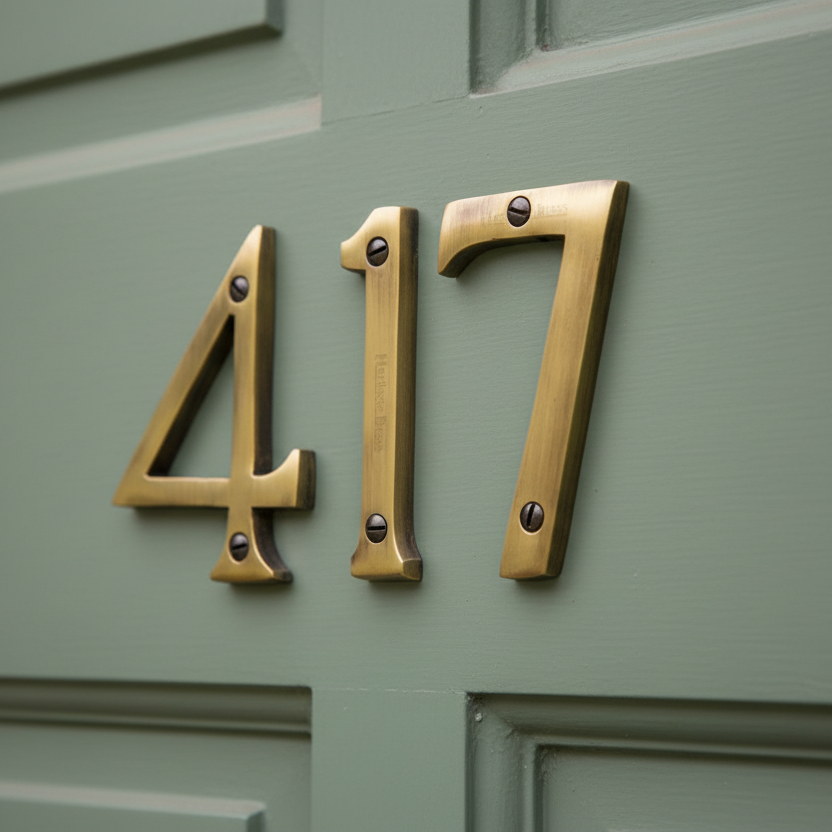
Many homeowners focus on design first, but even the best-looking house numbers will fail their purpose if they cannot be clearly seen from the road. Getting the size, placement and visibility right ensures your home is both practical and well presented.
In this guide, we’ll explain how to choose the correct size house numbers and how to position them for maximum visibility.
Why Size and Visibility Matter
House numbers are there to be read quickly and clearly, often from a distance or in low light conditions. If they are too small, poorly positioned or lacking contrast, they can easily be missed.
This can lead to:
- Missed deliveries
- Visitors struggling to find your home
- Emergency services being delayed
- General frustration for anyone trying to locate your property
Well-sized and clearly visible house numbers remove all of this uncertainty. They also improve the overall appearance of your home by creating a more defined and finished entrance.
Choosing the Right Size House Numbers
The size of your house numbers should be based on how far your property is from the road.
As a general rule, the further your house is set back, the larger your numbers should be.
Recommended Size Guide
-
Close to the pavement or road (within 5–10 metres)
Numbers around 75mm to 100mm (3–4 inches) are usually sufficient. -
Moderate distance from the road (10–20 metres)
Choose numbers around 100mm to 150mm (4–6 inches) for better visibility. -
Set back properties or long driveways (20 metres or more)
Larger numbers of 150mm+ (6 inches or more) are recommended.
If your property is difficult to see from the road, it is always better to go slightly larger. Clear visibility is more important than subtlety.
Viewing Distance and Readability
When selecting a size, think about how your house number will actually be seen in real life.
Ask yourself:
- Can it be read from the road without needing to step closer?
- Will it still be visible at night or in poor weather?
- Is the number easy to recognise at a glance?
Larger numbers with simple, clean shapes are always easier to read than smaller or decorative designs.
If in doubt, prioritise clarity over style.
The Importance of Contrast
Size alone is not enough. Contrast between the number and the background is just as important.
For maximum visibility:
- Use dark numbers on light surfaces
- Or light numbers on dark surfaces
For example:
- Black numbers on white render
- Stainless steel or chrome door numbers on darker doors
- Brass numbers on painted timber doors
If your door or wall has a busy texture, such as brick or stone, consider using a backing plate or choosing a bold finish that stands out clearly.
Best Placement for House Numbers
Even the correct size can be ineffective if the numbers are poorly positioned.
For best results, house numbers should be:
- Positioned at eye level or slightly above
- Placed near the main entrance or front door
- Clearly visible from the street without obstruction
If your front door is not visible from the road, consider placing numbers on:
- A gate or entrance pillar
- A wall facing the street
- A post or fence near the boundary
The goal is to ensure that someone approaching your property can identify the number without confusion.
Lighting and Night Visibility
House numbers are often needed most in low light conditions, especially during winter months.
To improve visibility at night:
- Position numbers near an external light source
- Ensure they are not hidden in shadows
- Choose finishes that reflect light slightly, such as satin or polished metals
Well-lit numbers can make a significant difference in how easily your home is found after dark.
Avoiding Common Mistakes
There are a few common issues that can reduce the effectiveness of house numbers.
Avoid:
- Choosing numbers that are too small for your property
- Mounting numbers too low or too high
- Placing them behind plants, posts or decorations
- Using overly decorative fonts that are difficult to read
- Matching the number colour too closely to the background
A simple, well-sized number in the right position will always perform better than a decorative but hard-to-read option.
Matching Size with Style
While visibility should come first, your house numbers should still suit the style of your home.
Modern homes often suit:
- Larger, clean-lined numbers
- Finishes such as black, stainless steel or chrome
Traditional properties may suit:
- Slightly smaller numbers
- Brass or antique finishes
- Classic serif styles
The key is to balance style with readability. A number that complements your home but remains clearly visible will always give the best result.
Choosing the Right House Numbers for Your Home
Once you know the size and visibility requirements, you can confidently choose a design that suits your property.
Door Furniture Direct offers a wide range of house numbers and letters in different sizes, finishes and styles to suit both modern and traditional homes.
You can browse the full door numbers collection.
Each product includes sizing and finish details to help you match the right number to your door or exterior wall.
Final Thoughts
Choosing the right house number is about more than appearance. The correct size, strong contrast and proper placement all work together to ensure your home is easy to find and clearly identified.
As a simple rule:
- Choose a size that matches your viewing distance
- Ensure strong contrast with the background
- Position the number where it can be seen clearly from the road
Taking a few extra minutes to consider these factors will result in house numbers that are both practical and visually suited to your home.
