
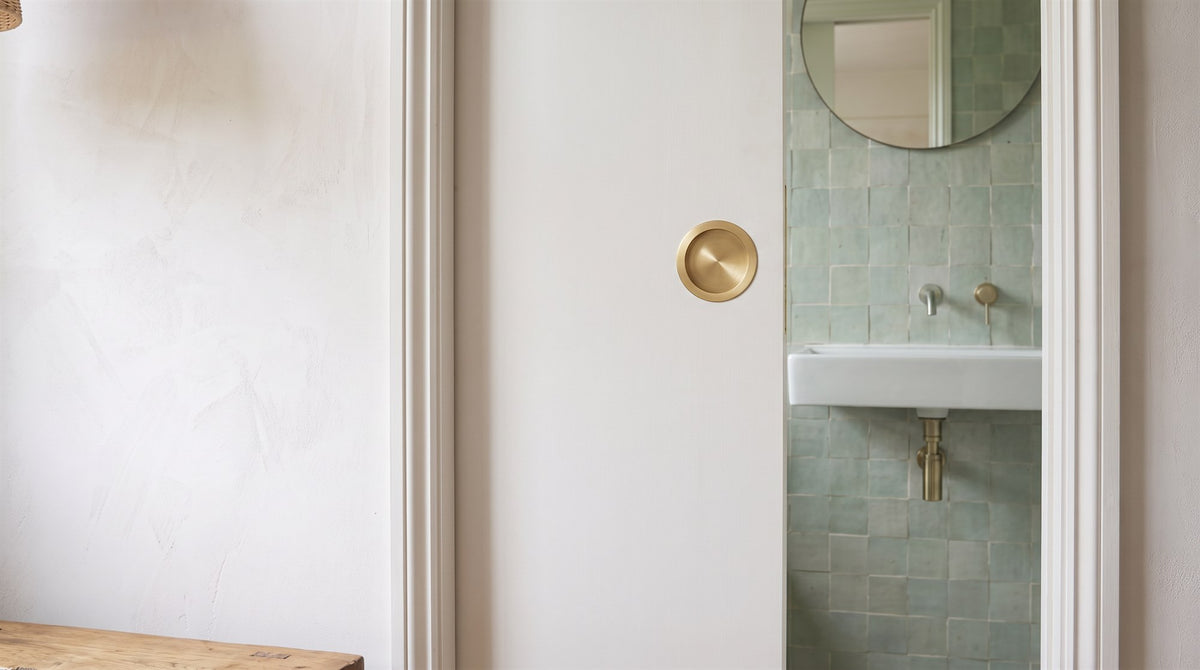
Pocket doors, beautifully finished
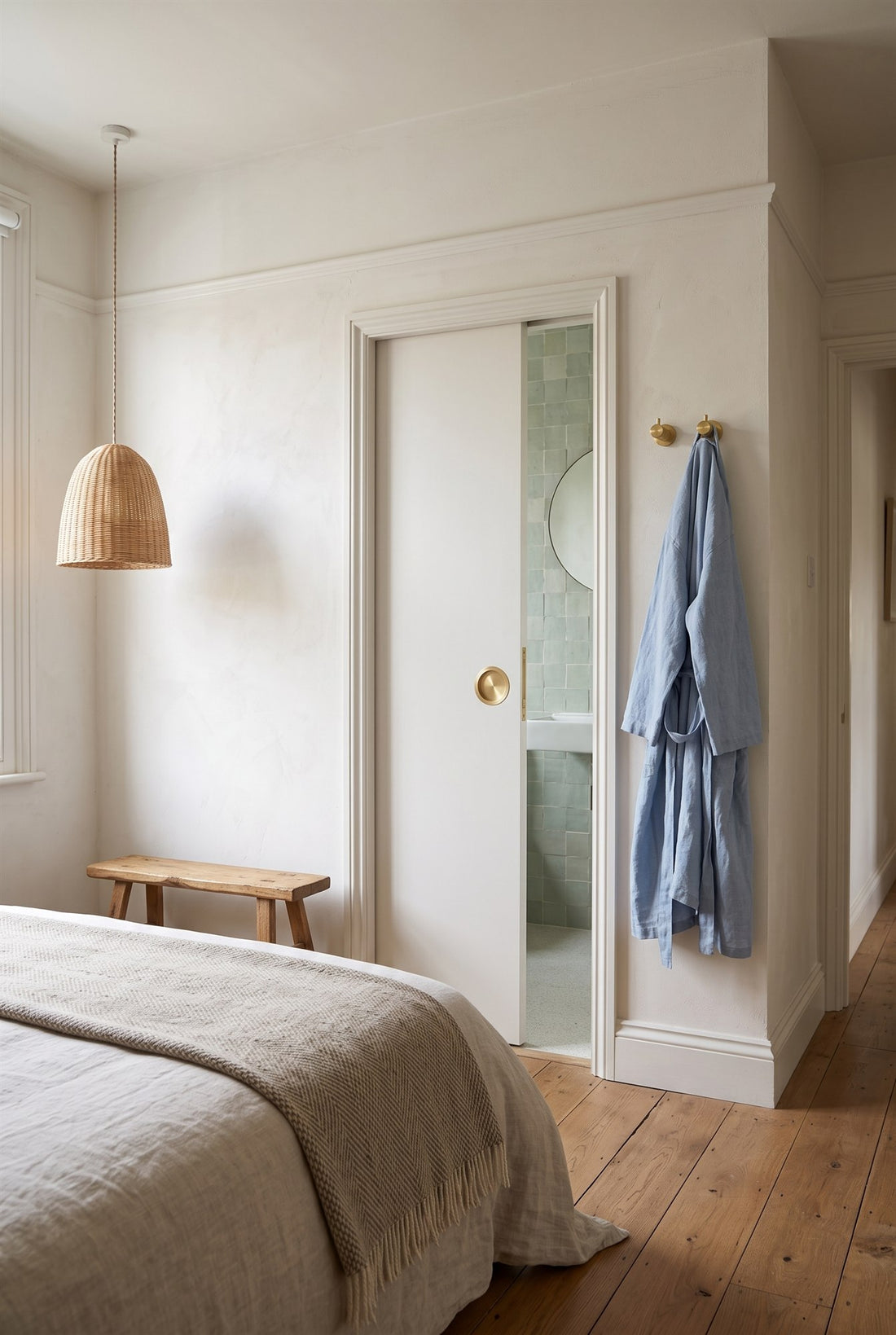
A pocket door into the en suite and a sliding cupboard door, finished with satin brass flush pulls that sit neatly in the door face.
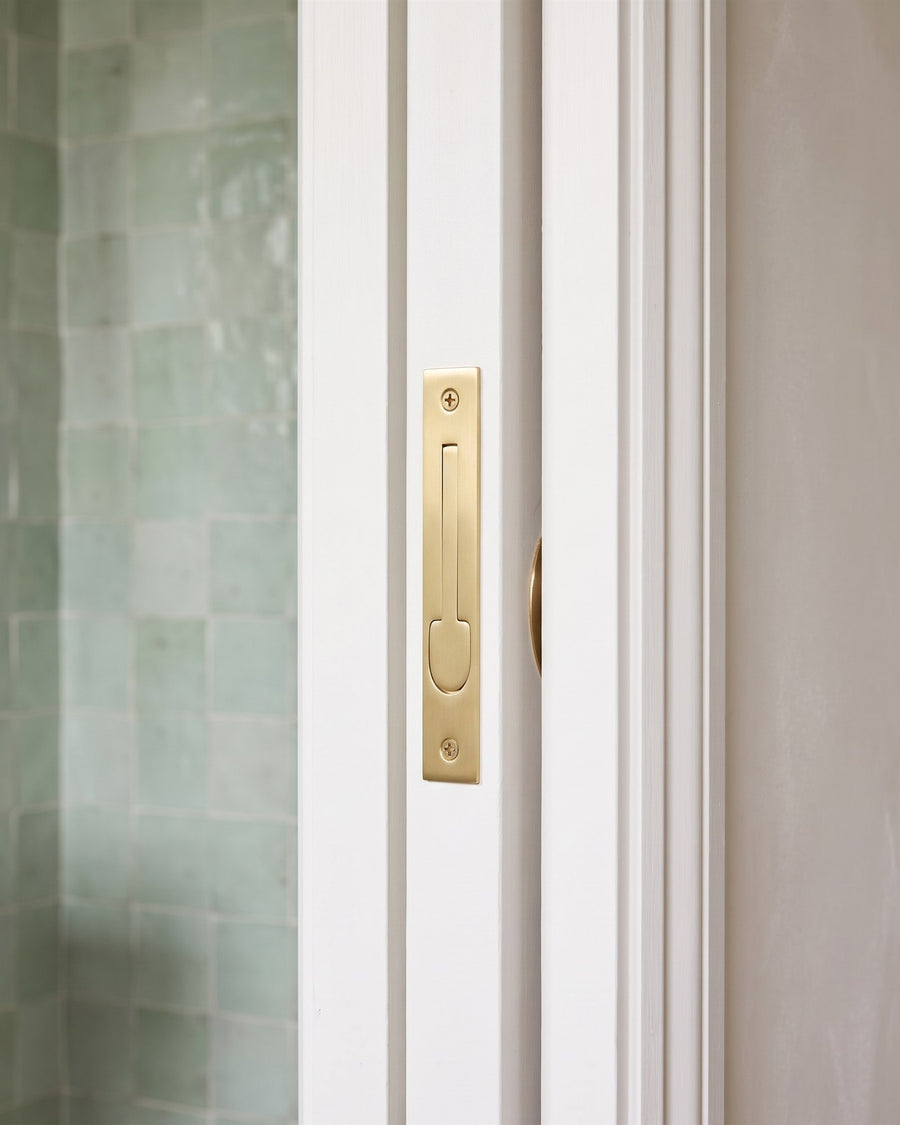
A one-bedroom flat in a converted Victorian terrace, where every bit of floor counts. A swinging door into the new en suite would have blocked the wardrobe, so the owners fitted a pocket door that disappears into the wall. Flush pulls are the answer for doors like this: they sit inside the door face so it can slide fully into its pocket. Satin brass circular pulls go on both faces, an edge pull lets you draw the door back out, and a rectangular flush pull opens the sliding laundry cupboard in the hall.
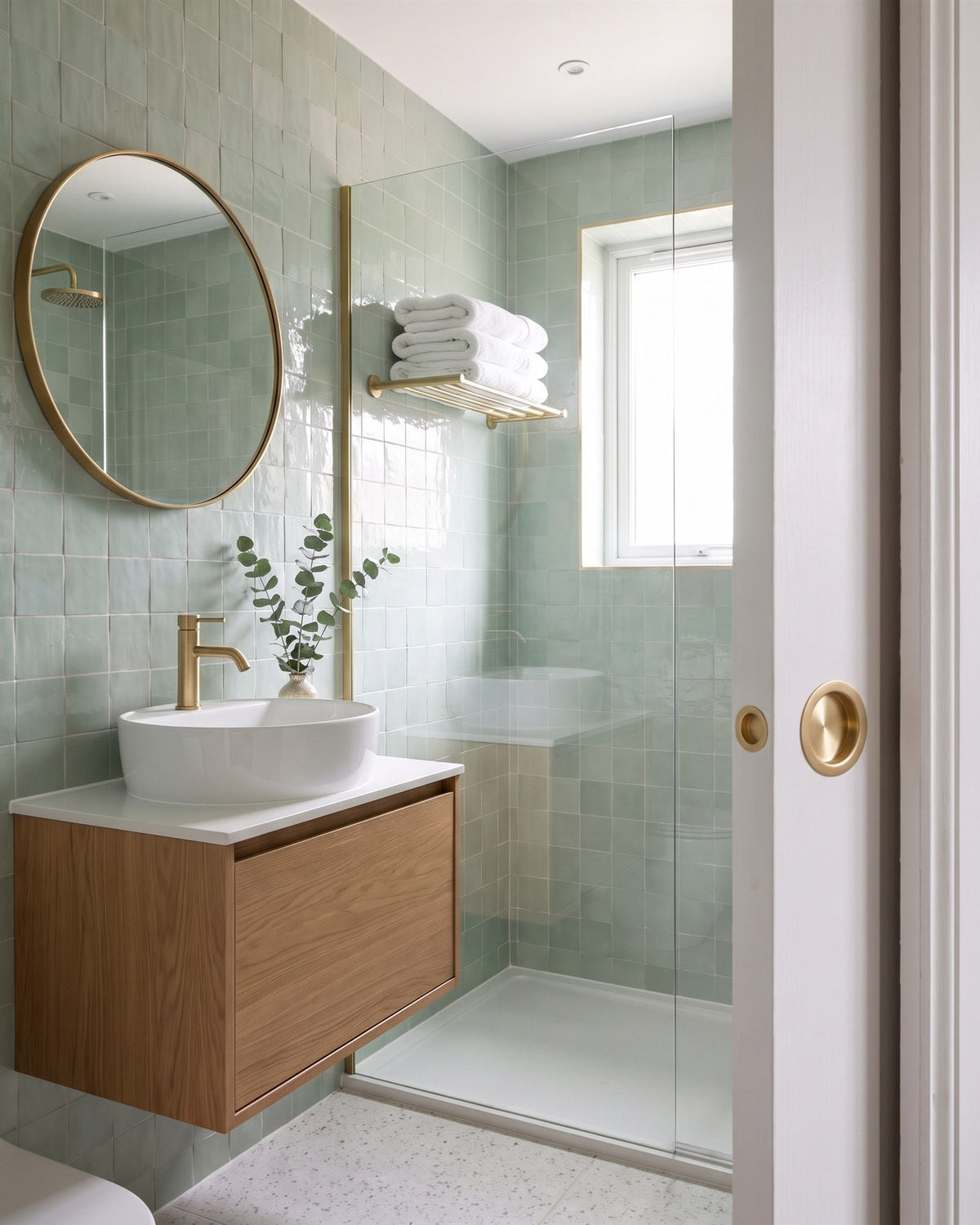
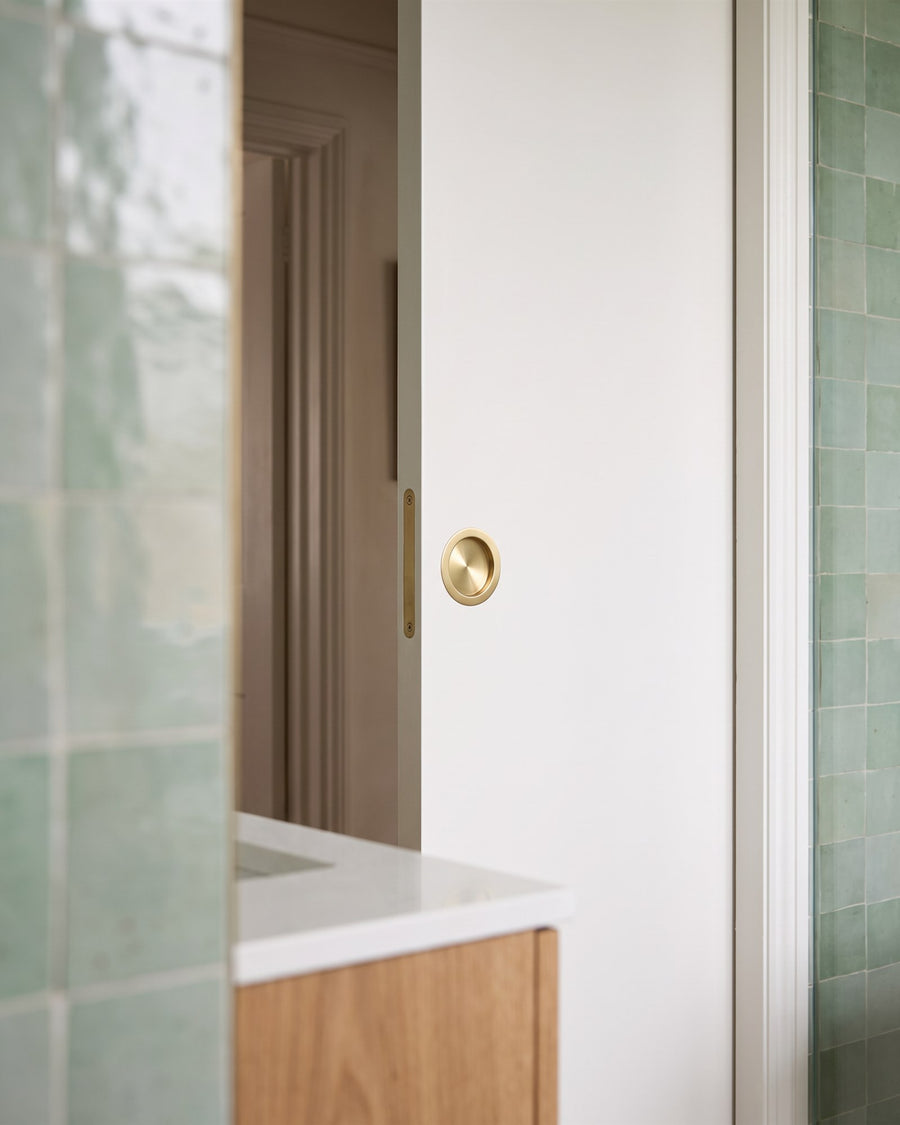
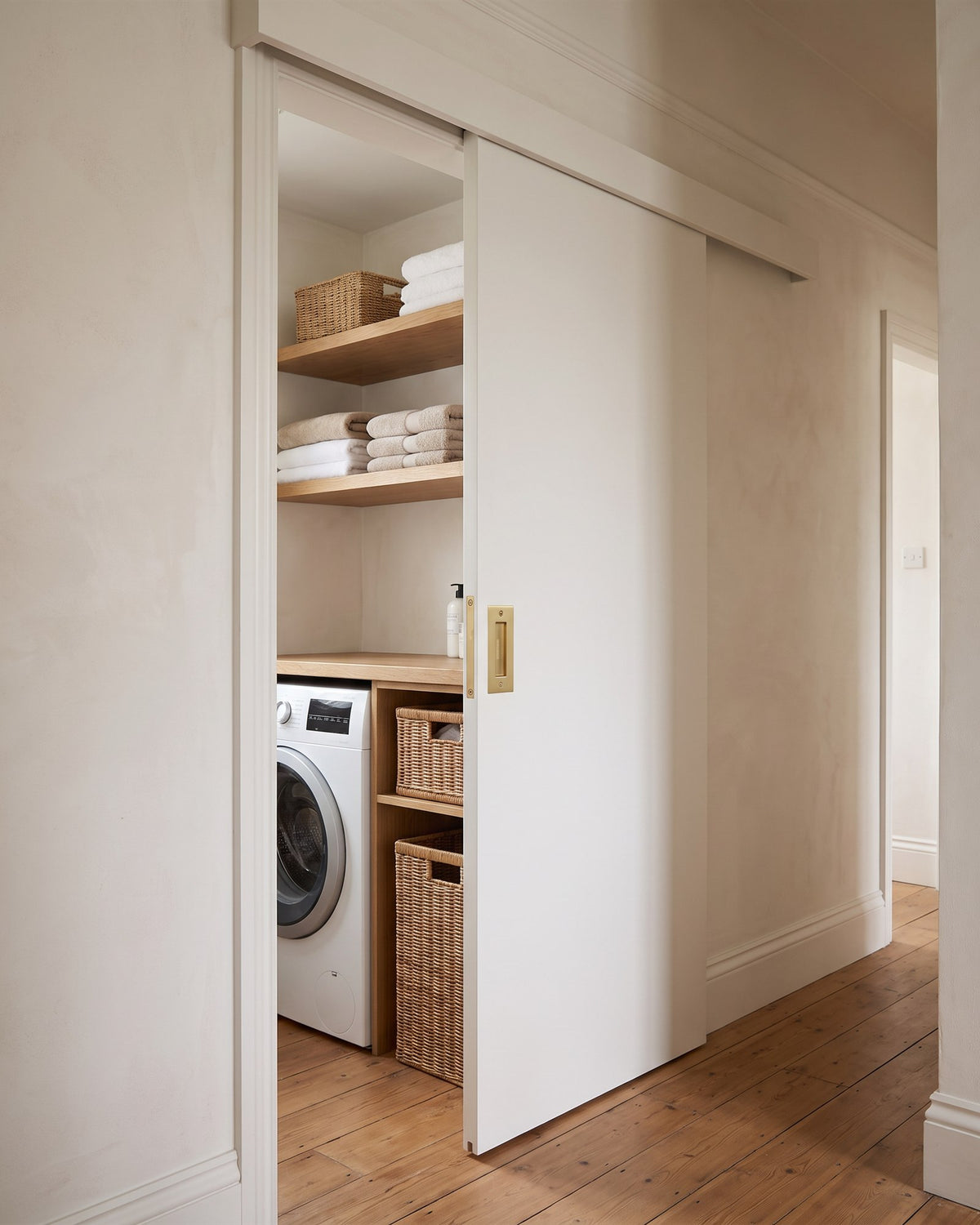
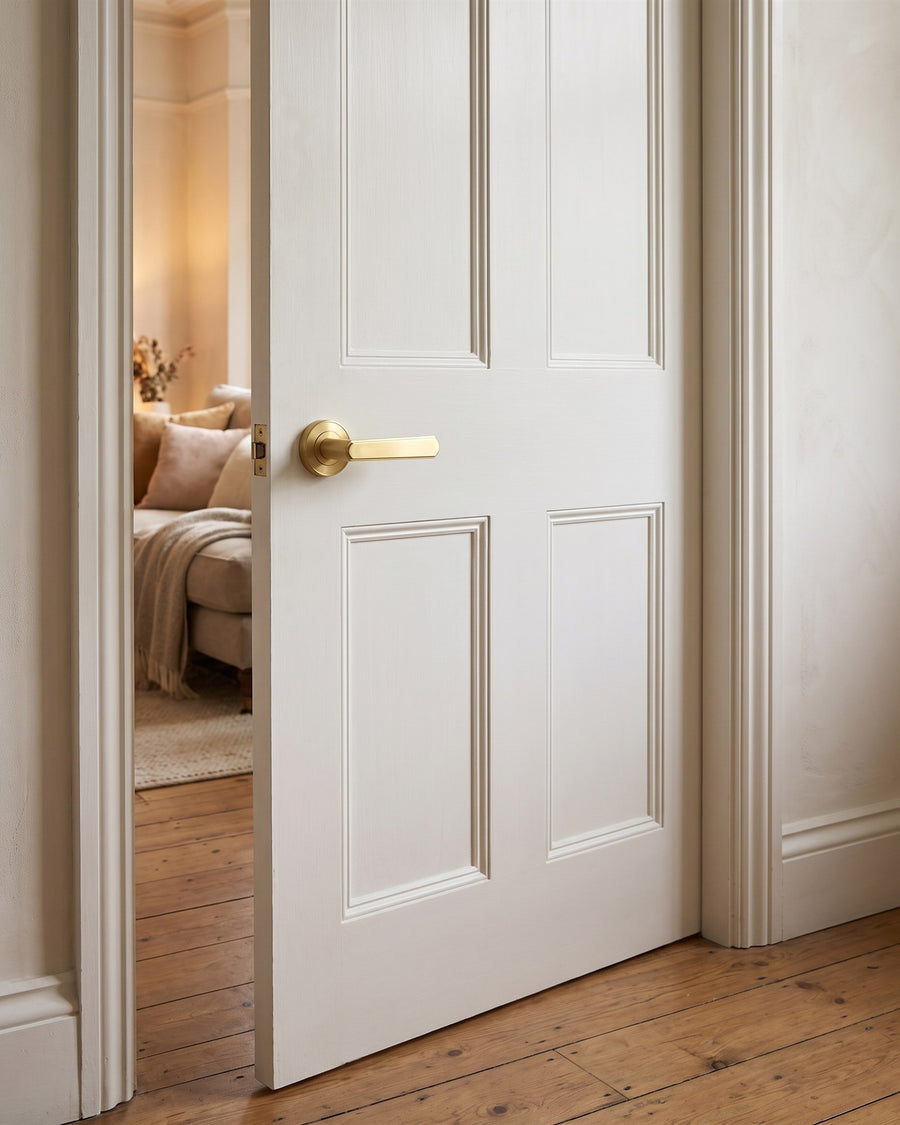
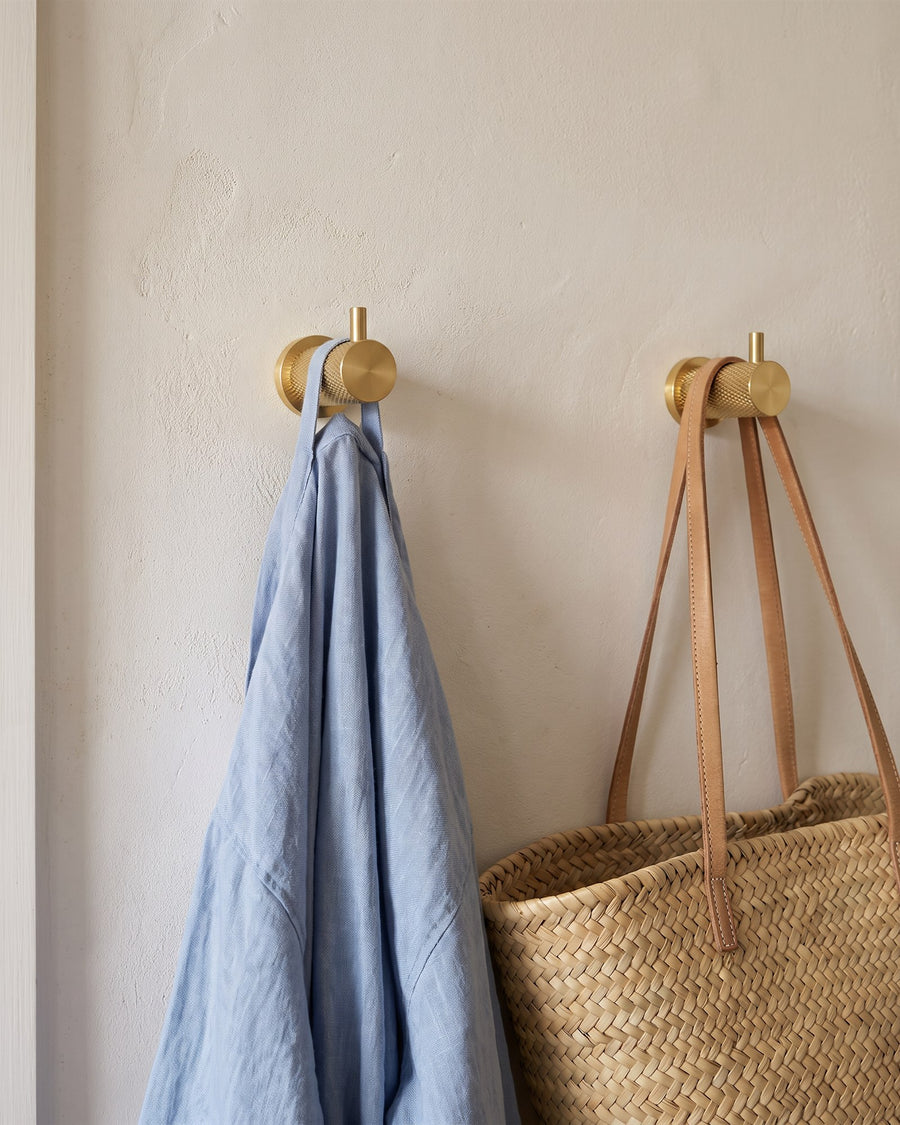
Satin brass for pocket and sliding doors


More flush pulls and sliding door kits


Choosing hardware for pocket and sliding doors
Why ordinary handles don't work
A pocket door slides into the wall, so anything that sticks out of its face stops it disappearing. Flush pulls are recessed into the door, giving you something to hook your fingers into without getting in the way.
Don't forget the edge
Once the door is fully inside its pocket, only the edge shows. An edge pull sits in that edge so you can draw the door back out. The sliding door kit includes two face pulls and an edge pull together.
Match the swing doors
Choose the same finish for any normal doors nearby. Satin brass levers on the bedroom and hall doors tie in with the flush pulls, so the flat feels finished rather than patched together.
Planning notes
Check door thickness
Face pulls are morticed into the door, so check the recess depth against your door's thickness, especially on thinner pocket door slabs.
Round or rectangular
Round pulls are easy to grip from any angle; rectangular pulls suit plain modern doors and wardrobe sliders.
Fit before hanging
Cut the recesses with the door off its track. It's much easier to get a clean, flush finish.
Privacy
For a pocket door to an en suite, plan the privacy option at the same time as the pulls.
