
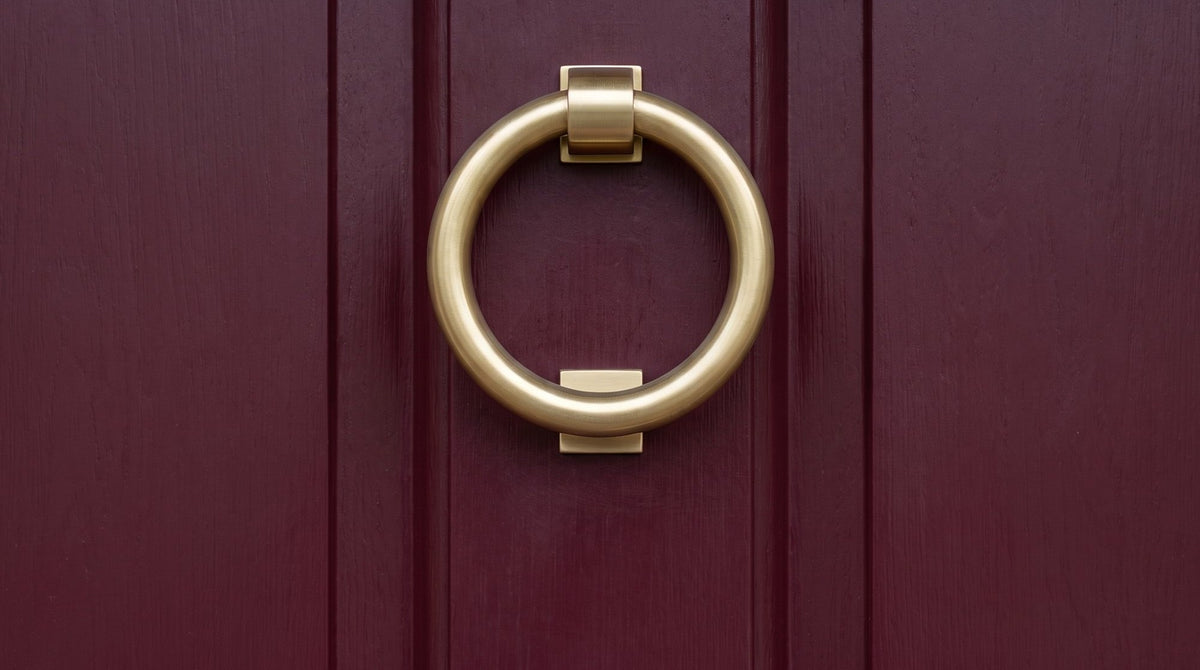
Burgundy is the new red
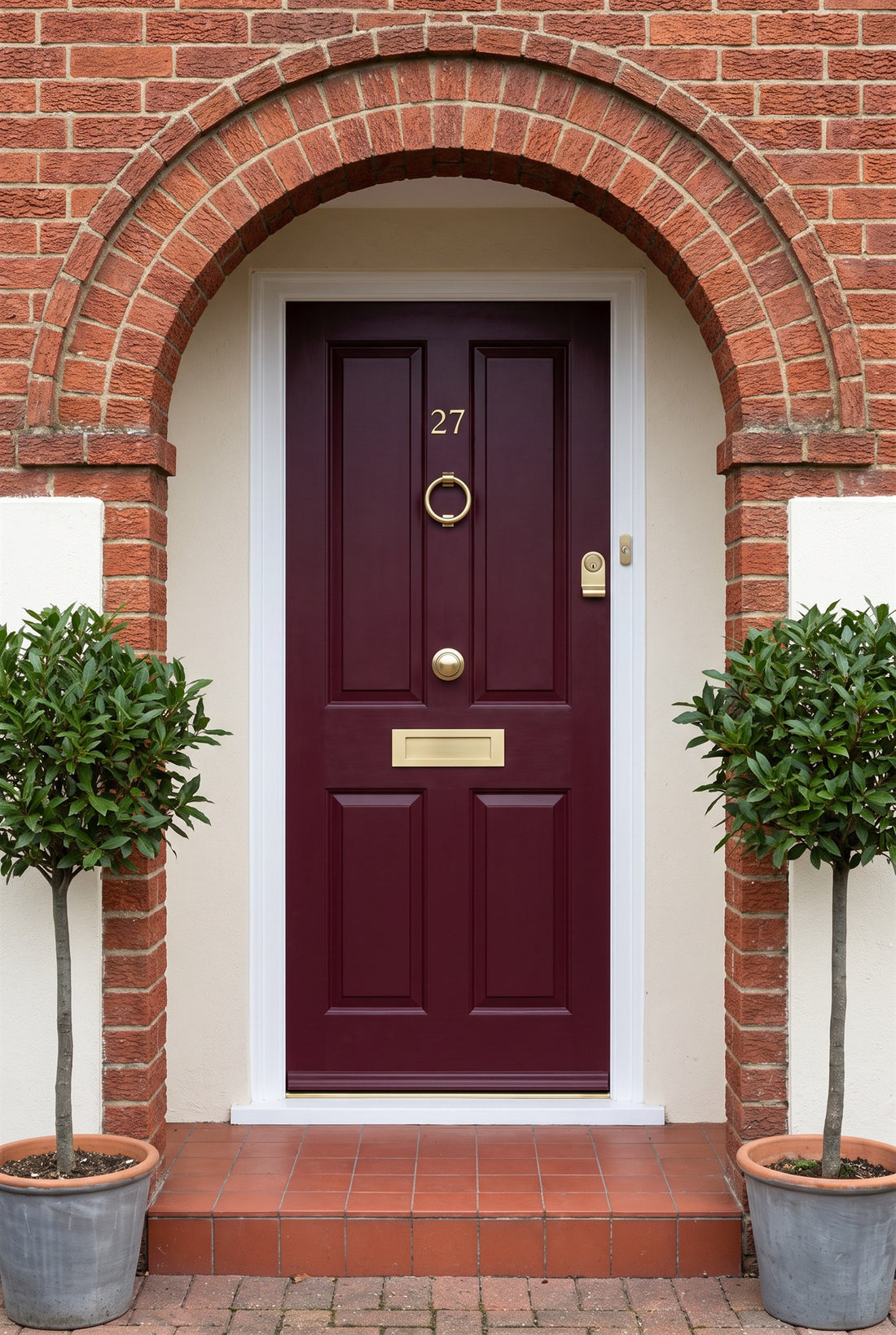
A deep burgundy front door on a 1930s semi, dressed in soft satin brass: a ring knocker, stepped centre knob, letter plate and numbers.
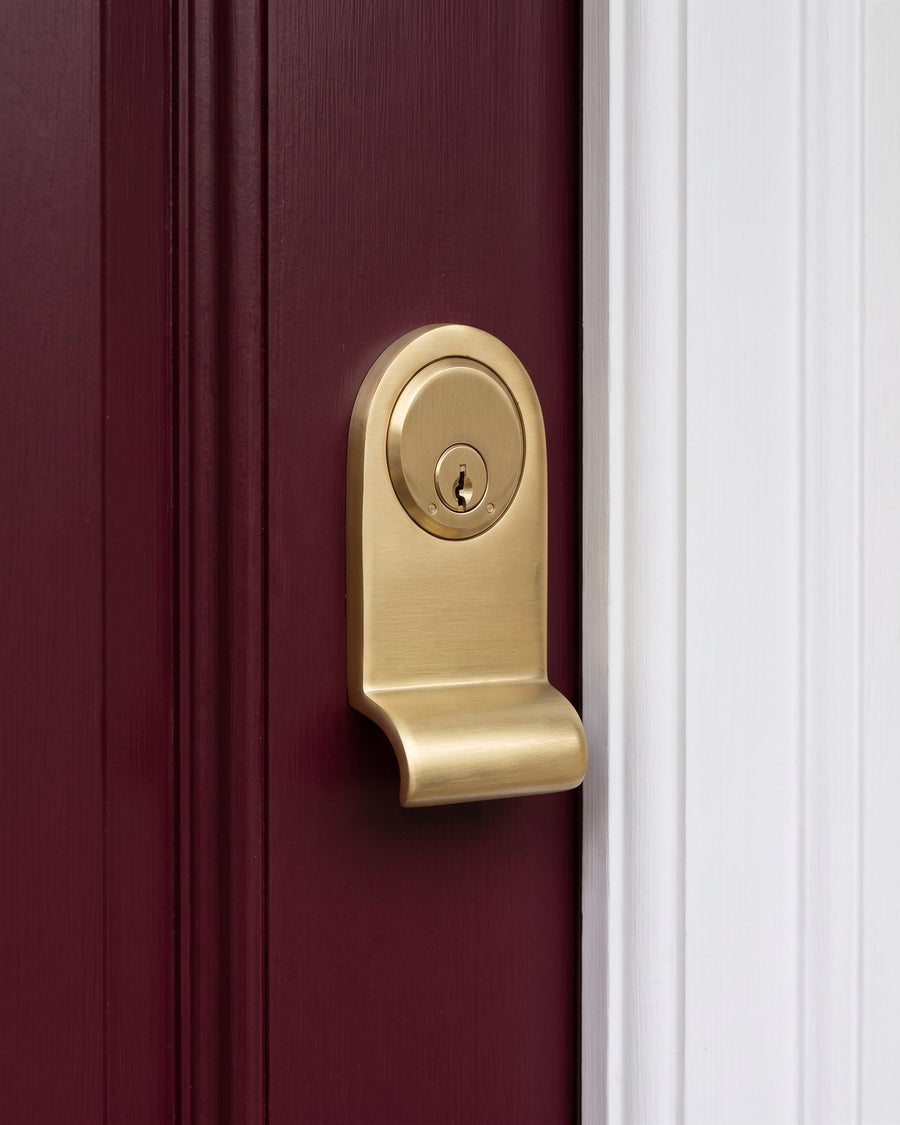
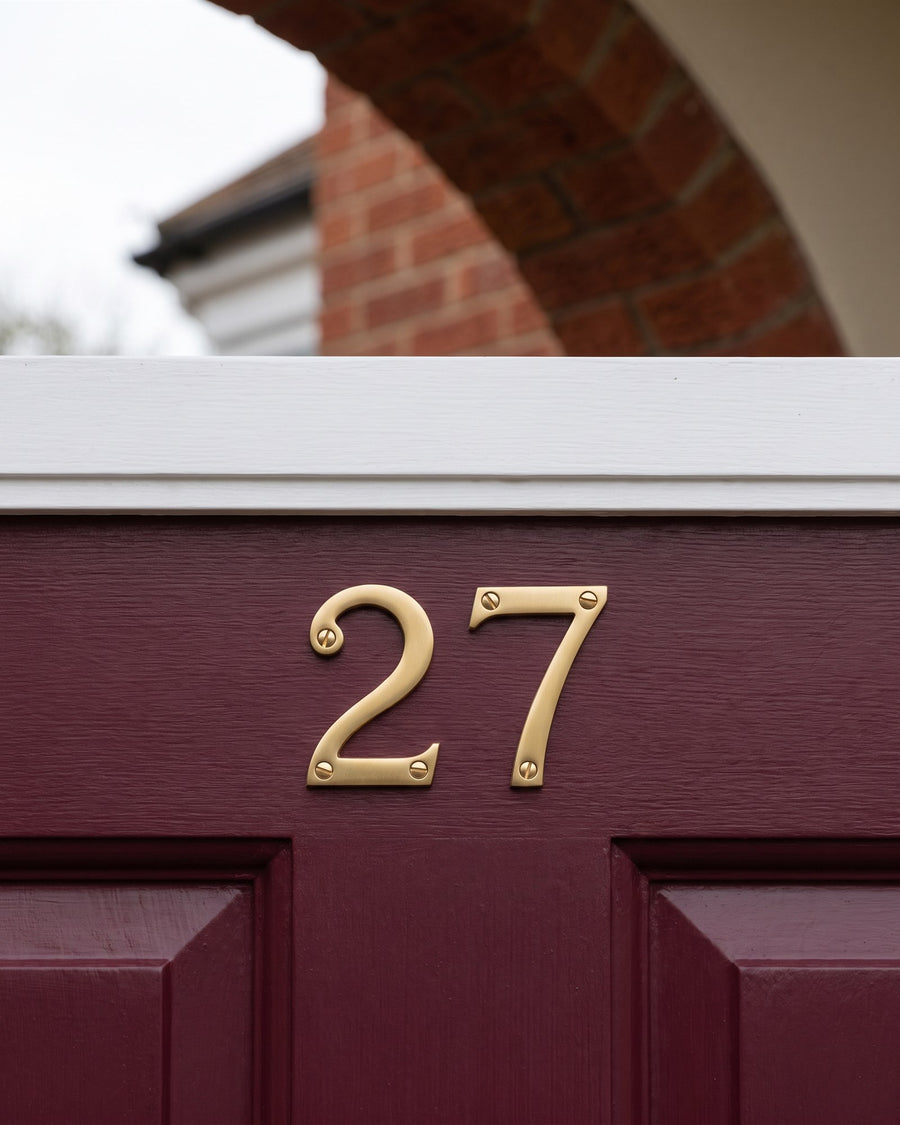
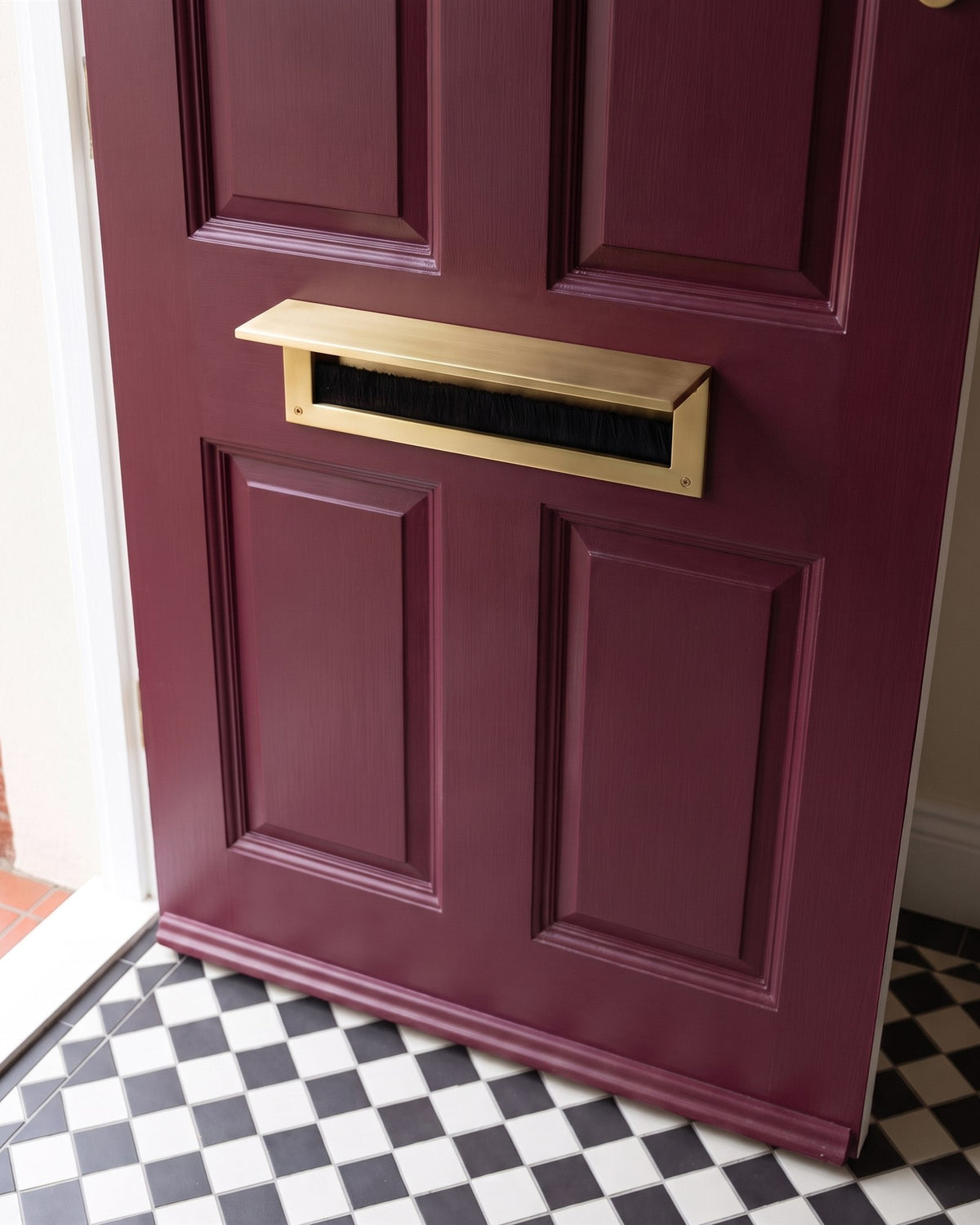
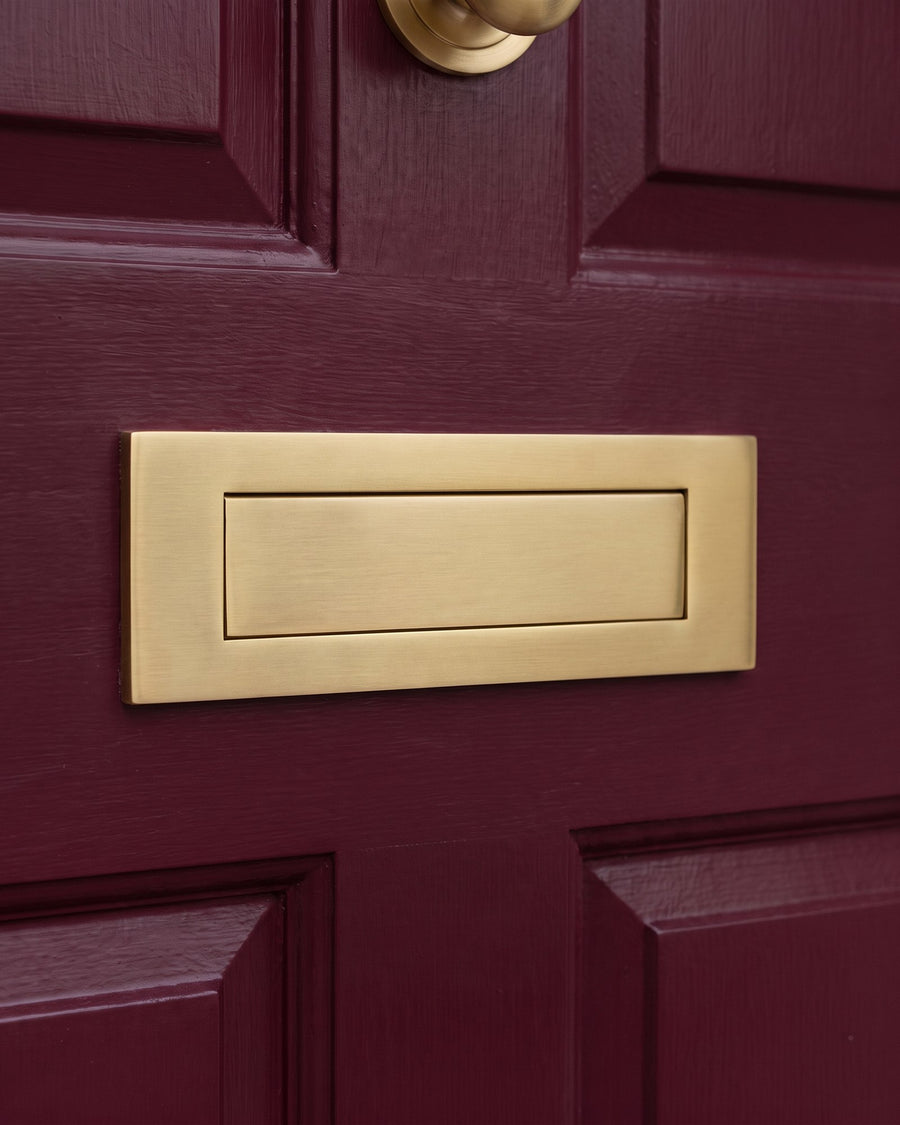
A 1930s semi with a rounded brick porch and quarry-tiled step. Bright pillar-box red felt too loud for the street, so the owners chose a deep burgundy, a richer, wine-coloured red that's become one of the most asked-for front door colours. Satin brass suits it better than polished: softer, warmer and less formal. A plain ring knocker and stepped centre knob keep the look simple, with a matching letter plate, cylinder pull and numbers, and a tidy on the inside to stop draughts.


Satin brass for a burgundy front door


More satin brass for front doors


Choosing a burgundy front door
Why burgundy works
Burgundy has the warmth of red without shouting. It looks good against cream render, red brick and stone alike, and it hides dirt and weathering better than a light colour.
Satin rather than polished
Polished brass on burgundy can look very formal. Satin brass has a brushed, softer glow that suits the colour's warmth and looks more relaxed on a family home.
Keep the shapes simple
A plain ring knocker, a stepped round knob and a clean letter plate let the colour do the talking. Choose numbers in the same finish so everything on the door matches.
Planning notes
Centre knob height
Fit the centre knob on the lock rail, roughly in line with the cylinder pull, so the door looks balanced.
Letter plate and tidy
A 254mm letter plate pairs with the 260mm tidy on the inside, which covers the opening and has a brush to keep out draughts.
Key entry
A cylinder pull gives the key a neat brass surround and something to pull the door shut with.
Paint finish
Use an exterior eggshell or satin for a soft sheen that matches the satin brass.
