
Stainless steel that stands up to the sea
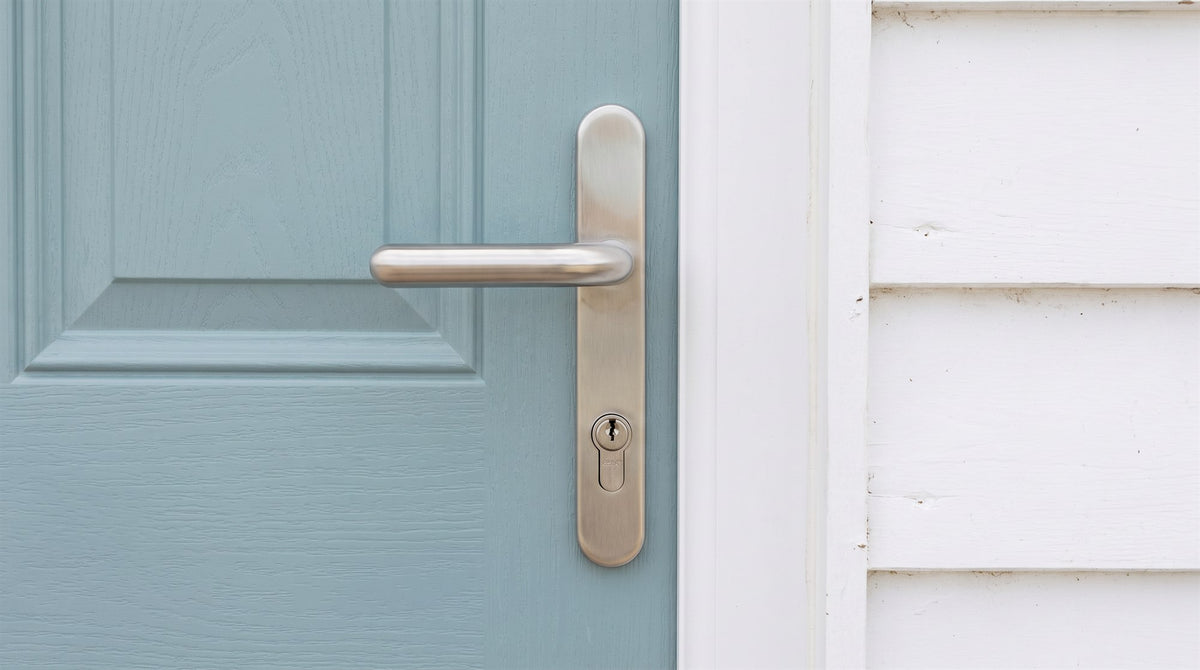
A duck-egg composite door on a white weatherboard cottage, fitted with marine-grade 316 stainless steel that won't pit or rust in salty air.
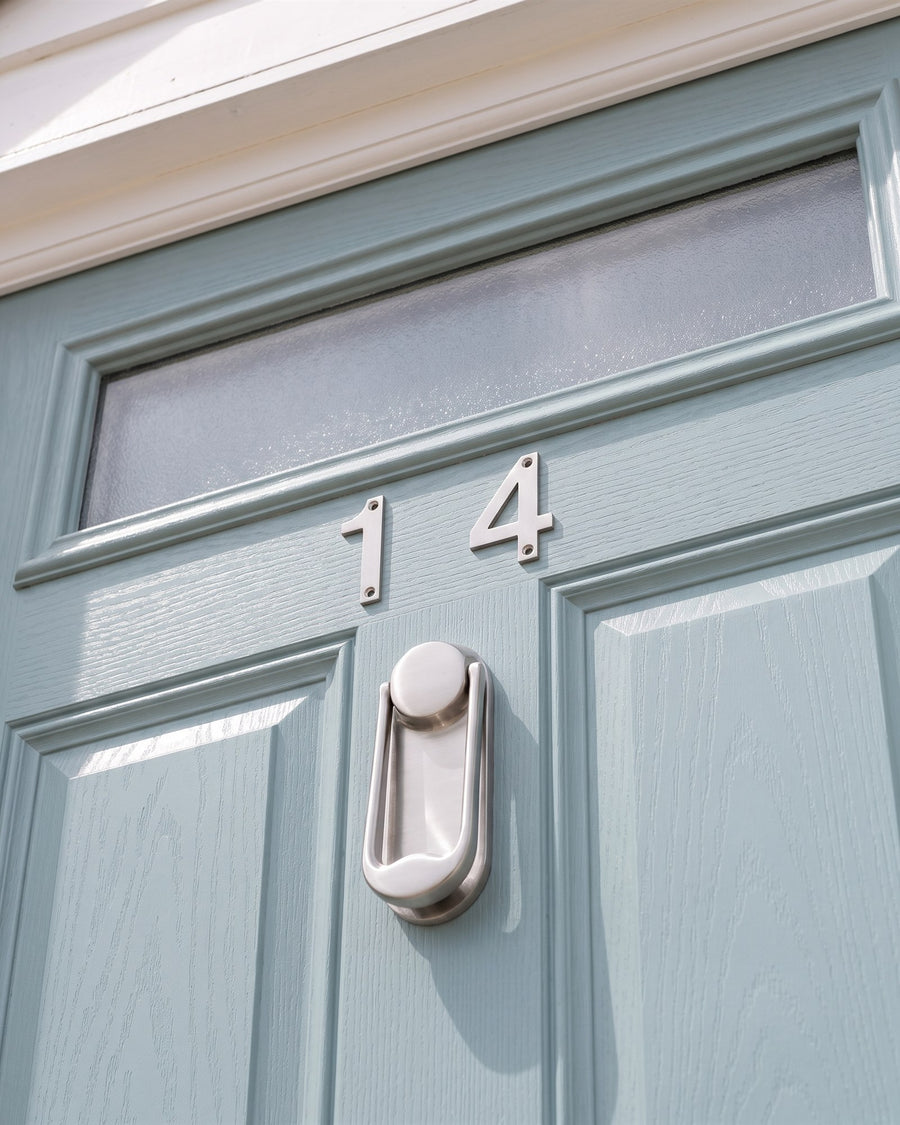
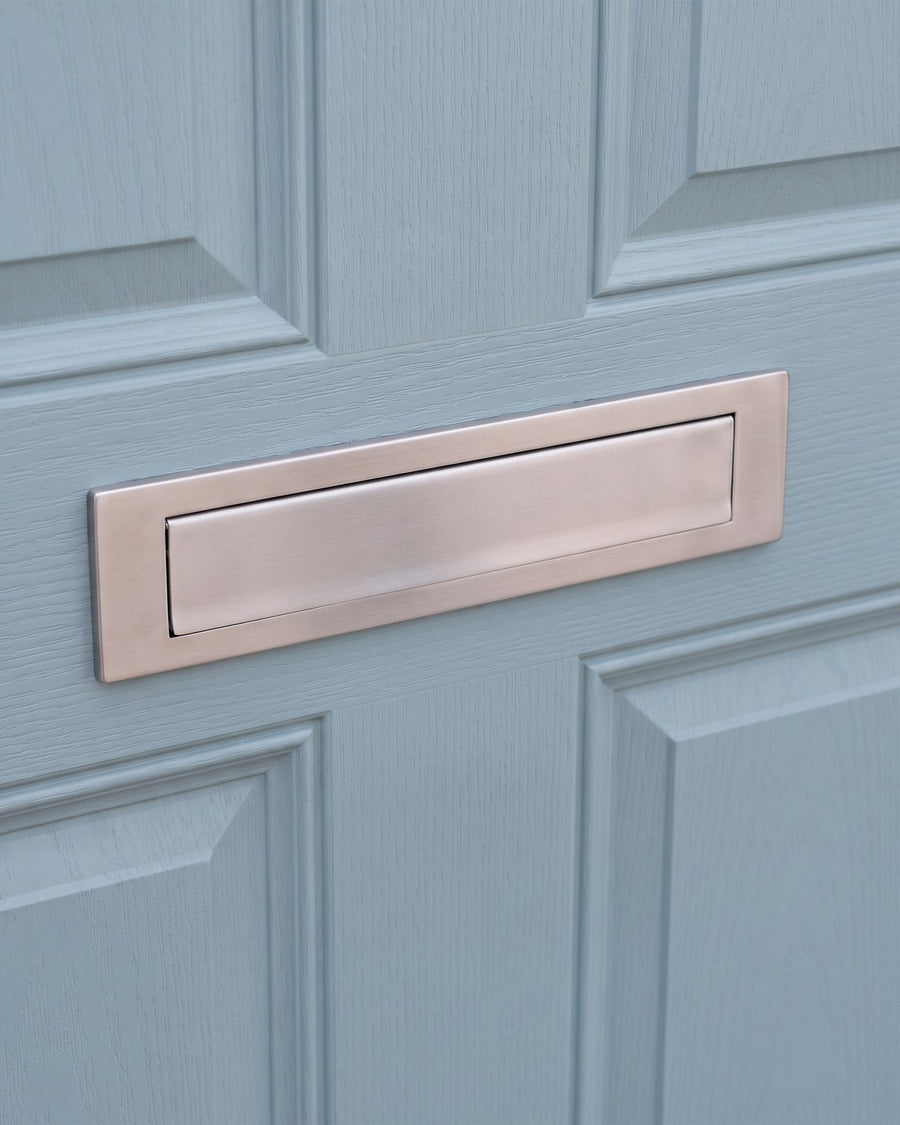
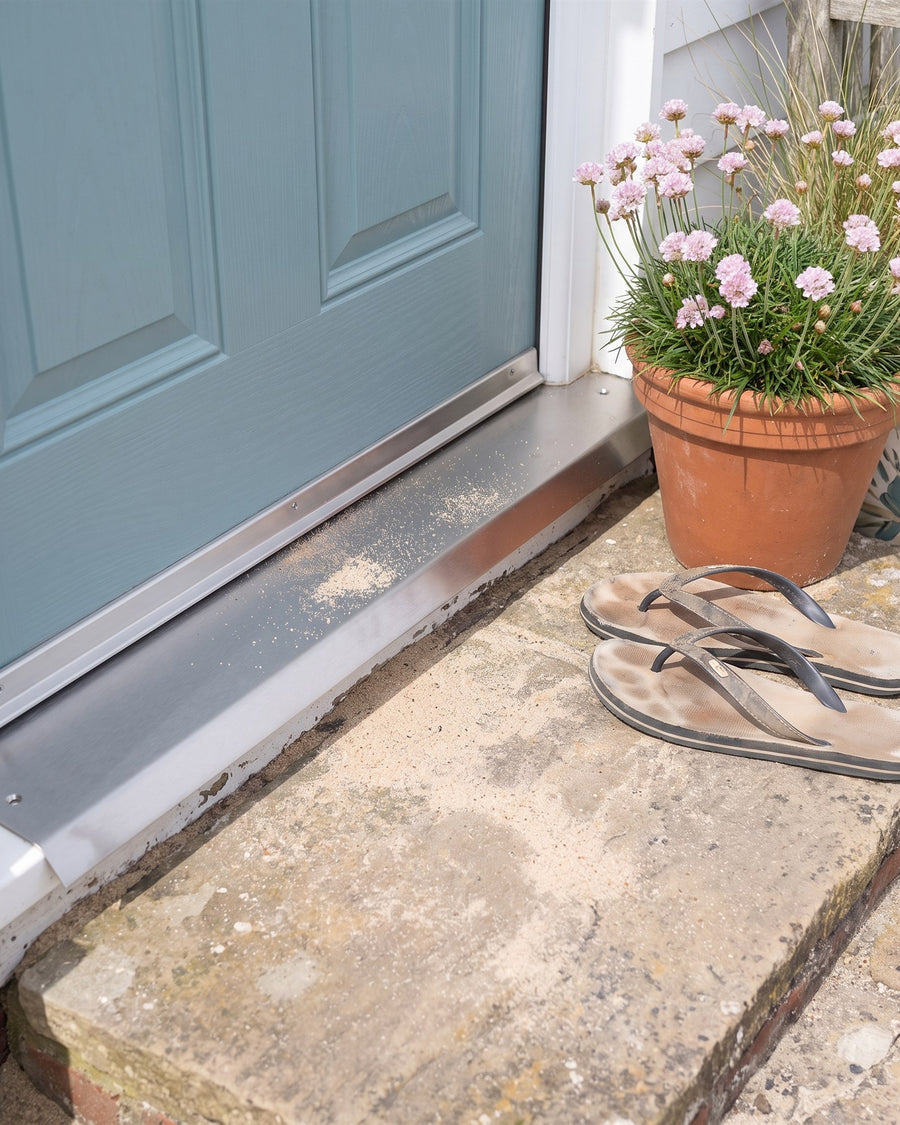
A weatherboard cottage a few steps from the beach, where salt spray reaches everything. The owners chose a duck-egg blue composite door because it won't swell or need repainting, and then gave it hardware that's just as tough. Everything on the door is marine-grade 316 stainless steel, which resists the pitting and tea-staining that coastal air causes. The lever handle has a cylinder in the plate for the multipoint lock, with a matching ingot knocker, letter plate, numbers and a stainless threshold strip that copes with sand underfoot.


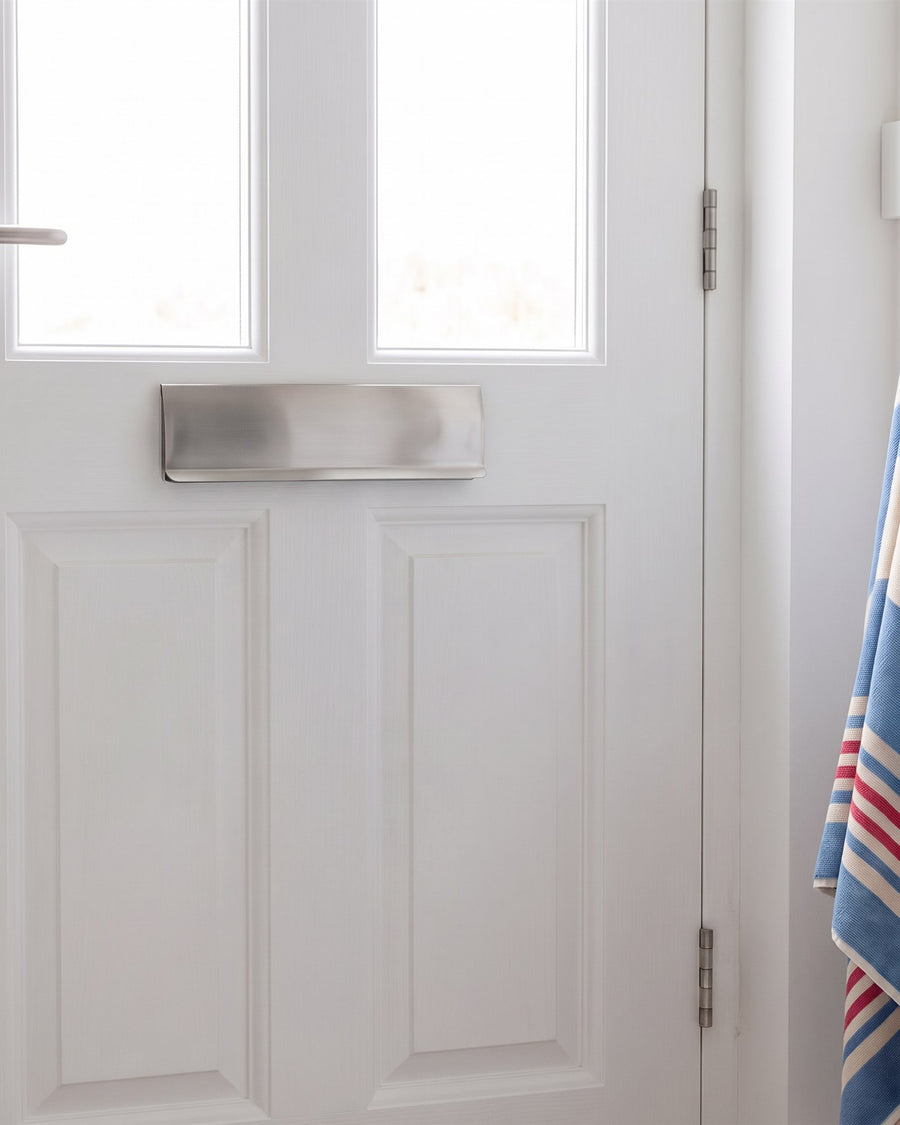
Marine-grade stainless for a coastal front door
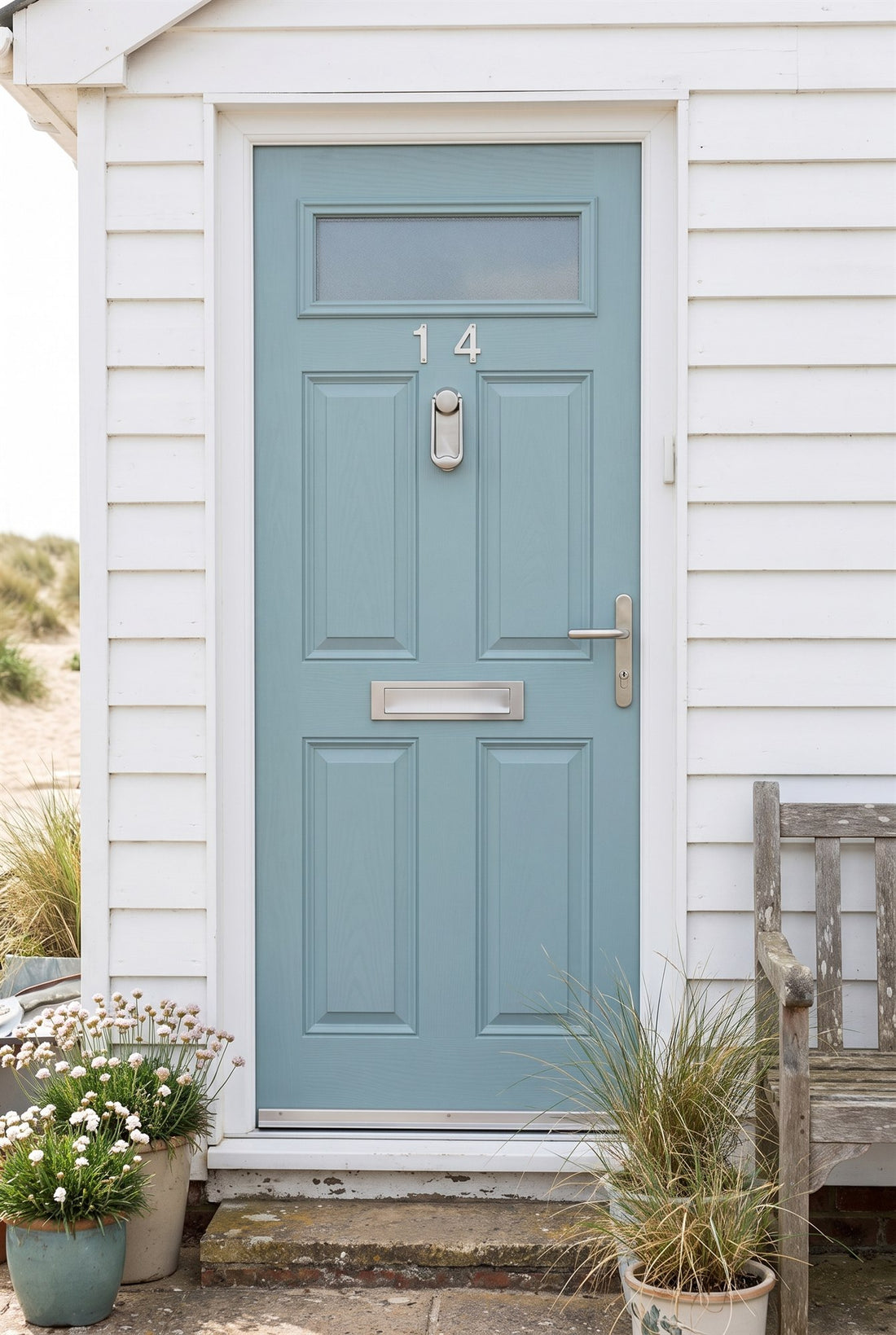


More marine-grade stainless steel


Choosing door furniture by the sea
Why 316 stainless
Within a few miles of the sea, salt in the air attacks most metal finishes. Grade 316 stainless contains molybdenum, which makes it far more resistant to pitting and staining than ordinary stainless or plated brass.
Built for composite doors
The lever handles are made for multipoint locks on composite and uPVC doors, with a cylinder cut-out in the plate and 92mm centres to match most modern lock cases.
Keep it all the same metal
Mixing metals by the sea leads to uneven weathering. Using stainless for the knocker, letter plate, numbers and threshold means everything ages the same way.
Planning notes
Check the centres
Measure from the centre of the spindle to the centre of the cylinder; these handles suit 92mm centres.
Rinse occasionally
A wipe with fresh water every few weeks removes salt deposits and keeps stainless looking new.
Letter plate and tidy
Pair the outside letter plate with an internal tidy to cover the cut-out and cut draughts.
Threshold
A 100mm stainless threshold protects the step from wear and grit where sand is tracked in.
